


In modern structural design, glass is prized for its aesthetic appeal and versatility, yet designing with glass presents unique challenges. To aid engineers in overcoming these challenges, the Glass Design add-on for RFEM 6 provides a comprehensive solution. The design process and steps for using the add-on have already been discussed in the overview article provided below. Here, we focus on the key advantages of this add-on that enhance the design and analysis of both single glass panes and laminated glass panels.
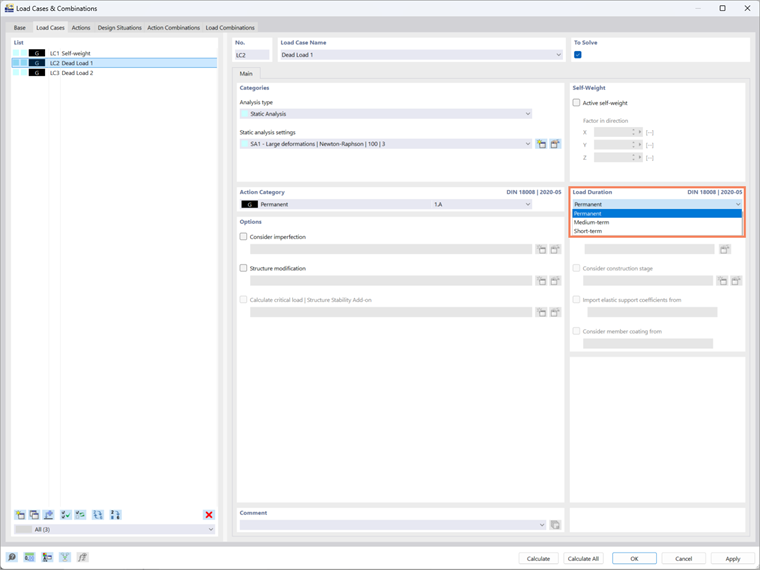
1. Automated Load Duration Factors
One of the standout features of the Glass Design add-on is its ability to automatically record load duration factors for each load case, as defined in DIN 18008 standards. This automation minimizes human error, ensuring precision in stress calculations. Engineers can now focus more on innovative aspects of their designs, confident that the technical calculations are accurate and reliable.
2. Laminated Glass Design Flexibility
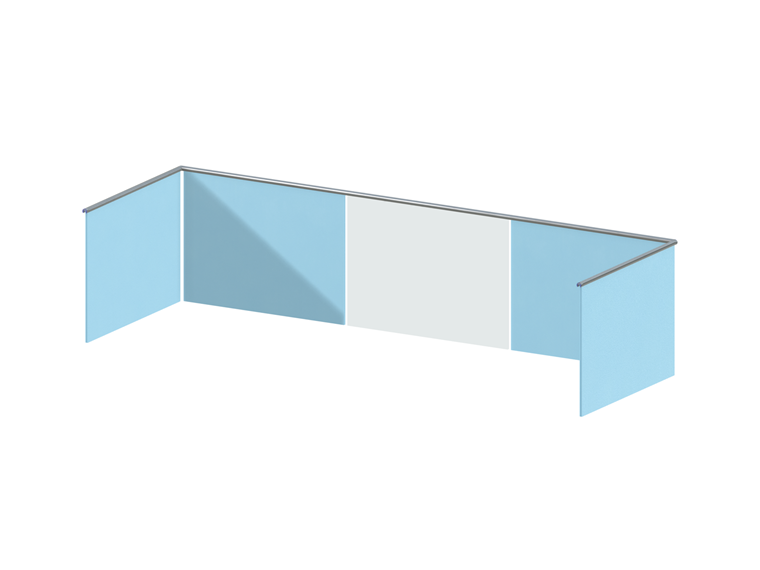
The Glass Design add-on provides exceptional flexibility in designing both single glass panes and laminated glass panels. This adaptability is vital for projects with varying requirements. Laminated glass structures offer increased strength, safety, and acoustic performance, making them ideal for diverse applications. Whether designing a simple glass façade or a complex laminated structure, RFEM 6 delivers a versatile and efficient solution.
3. Dual Verification for Laminated Glass
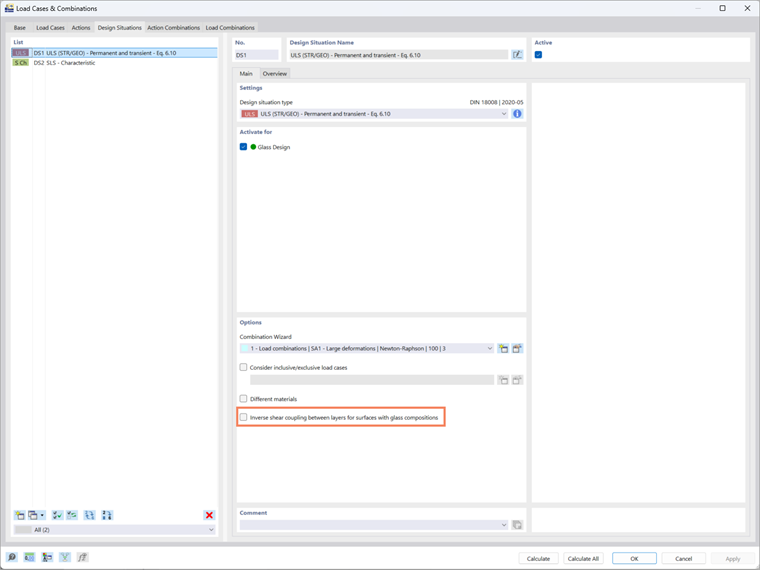
A significant advantage of the Glass Design add-on is the ability to verify laminated glass in two ways—both with and without shear connection. This dual verification allows engineers to compare how the laminated structure behaves under different conditions, ensuring comprehensive design analysis. The ability to perform both calculations within the same file simplifies workflows and guarantees that no design option is overlooked.
4. Designing Flat and Curved Glass
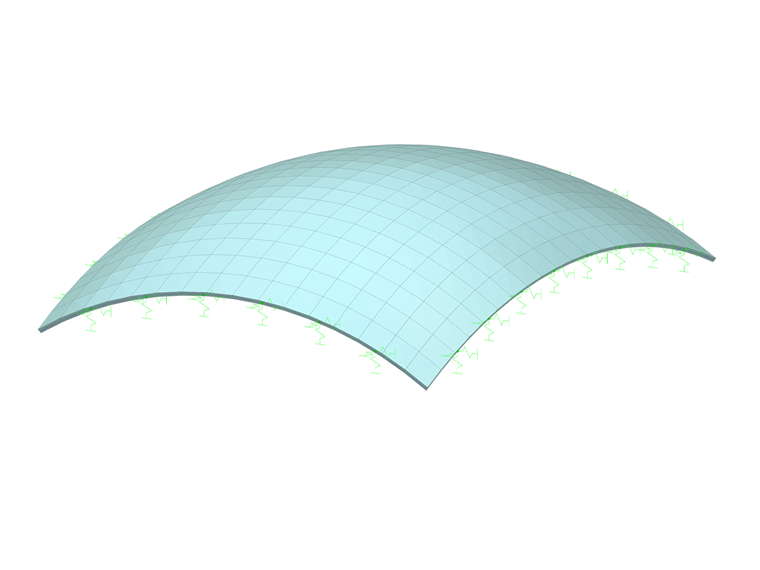
The flexibility to design both flat and curved glass panels makes RFEM 6 especially valuable. Glass structures, particularly in modern architectural designs, often require unique shapes to achieve aesthetic and functional goals. With the Glass Design add-on, designing complex, curved glass elements becomes straightforward, making it the ideal tool for projects that include glass façades, roofs, and other architectural features.
5. Layer Visualization for Complex Laminates
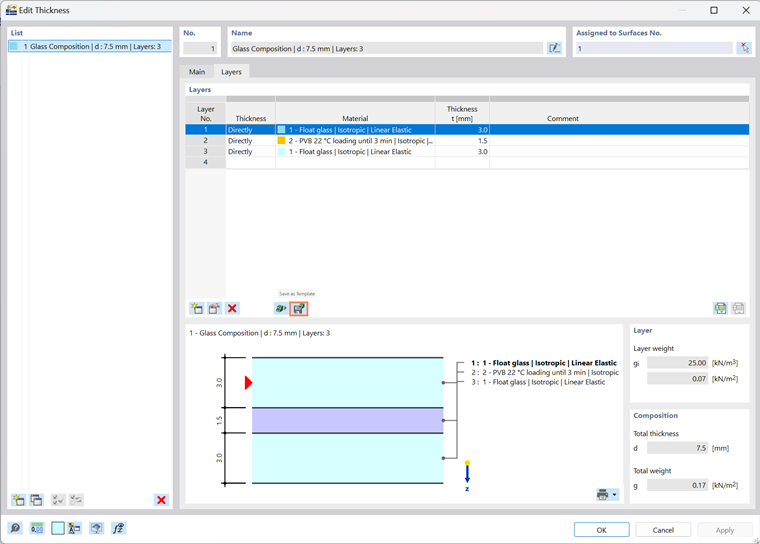
When working with laminated glass, visualizing the individual layers is crucial for ensuring optimal performance. The Glass Design add-on allows you to directly visualize the glass layers in cross-section. This feature helps identify potential issues early, ensuring accurate adjustments and enhancing the overall design process. The ability to see the layers in real-time makes designing complex laminated structures easier and faster.
6. Stress Verification Beyond Standards
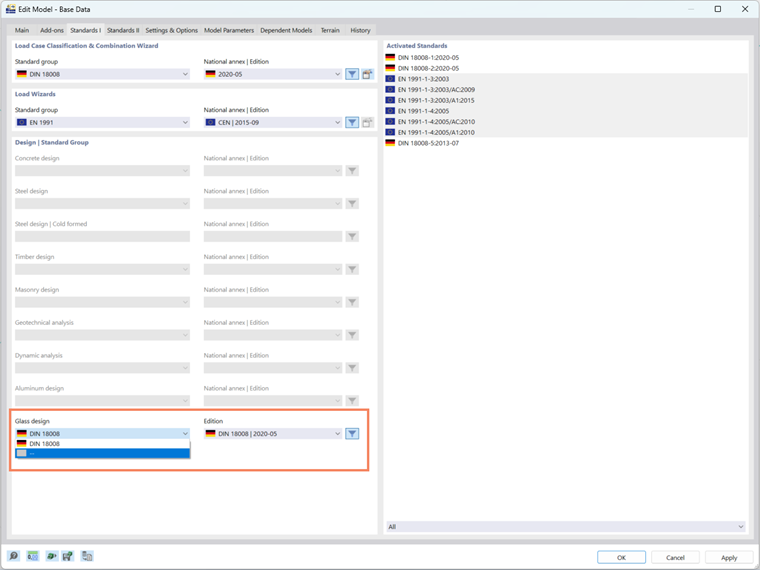
In addition to adhering to established design standards, the Glass Design add-on offers the flexibility to perform stress verification without applying any specific standard. This option is particularly useful for customized designs that fall outside the scope of conventional codes or when dealing with unique project requirements. This flexibility empowers engineers to explore innovative solutions without being constrained by standard limitations.
Conclusion
The Glass Design add-on for RFEM 6 is a powerful tool that enhances both the efficiency and precision of glass structure design. By automating critical calculations like load duration factors, offering dual verification for laminated glass, and enabling the design of both flat and curved panels, this add-on streamlines the design process. Its ability to visualize glass layers and perform stress verification outside standard codes further strengthens its versatility. Whether working with simple glass panes or intricate laminated systems, the Glass Design add-on ensures that your designs meet both aesthetic and structural demands with confidence.