


Why Foundation Design Matters
Foundations are often overlooked, but they play a crucial role in ensuring the stability and longevity of any structure. A well-designed foundation prevents issues like shifting, cracking, and uneven settling, which can lead to expensive repairs and even structural failure. Whether it's a concrete foundation for steel buildings, residential houses, solar panel concrete foundation, or a wind turbine foundation design, understanding the key principles of foundation design is vital for ensuring durability and safety.
What Makes a Strong Foundation?
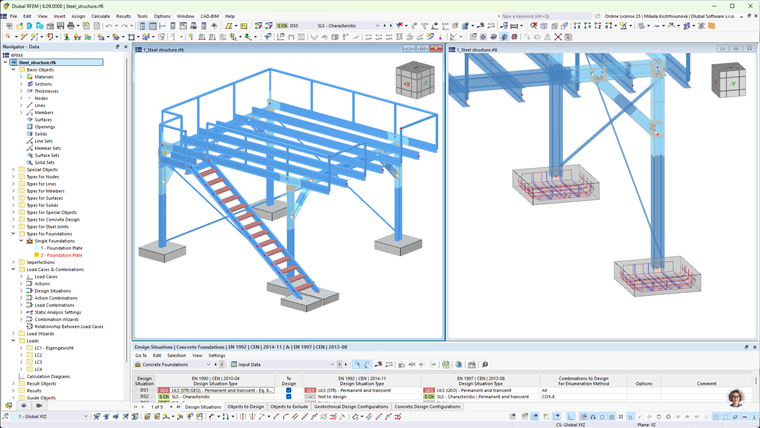
Foundations come in various types, each suited for different structural needs and ground conditions. Common foundation types include:
- Foundation Plates: A solid slab of concrete that distributes weight evenly over a large area.
- Bucket Foundations: Shaped like an inverted bucket, they’re often used in areas with weaker soil or when large loads need to be concentrated.
- Block Foundations: Stacked concrete blocks that form a stable base for the structure.
- Stepped Foundations: Designed to accommodate sloping ground, these foundations provide stability by “stepping down” at intervals, ensuring even load distribution on uneven terrain.
But how do you know which type is right for your project? Choosing the correct foundation type depends on soil conditions, the structure's load requirements, and environmental factors. A well-designed foundation minimizes settlement, soil failure, or cracking—critical factors for every foundation design, from concrete foundation design for metal buildings to wind tower foundation design.

The Role of Reinforcement in Foundation Design
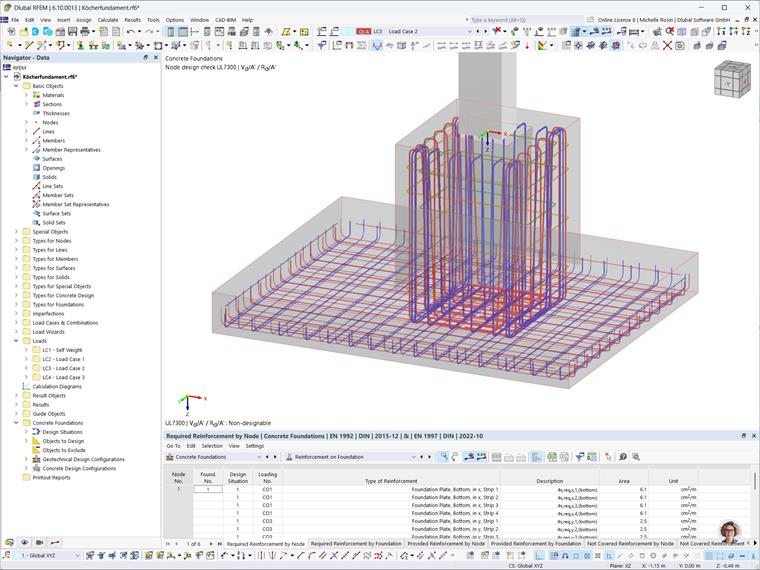
Reinforcement is crucial for ensuring a foundation's longevity. Concrete, while strong under compression, can be weak under tension. Reinforcing steel bars or mesh ensure stability, preventing issues like foundation slab cracks and concrete slab foundation issues. This reinforcement works similarly to bones and muscles, providing the foundation with the ability to withstand tension and compression forces.
In future articles, we’ll dive deeper into the different reinforcement types and how they work in various foundation designs. But for now, it’s essential to understand that proper reinforcement is the backbone of a successful foundation design.
Geotechnical Design: The Hidden Force Beneath Your Foundation
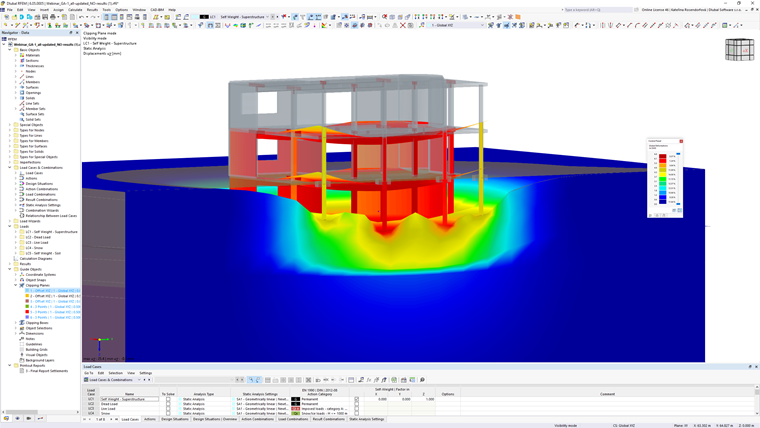
Understanding soil conditions is crucial for a successful foundation design. The type of soil and its load-bearing capacity affect the foundation's performance. From moisture levels to friction angles, these soil properties must be evaluated to avoid settling, tilting, or cracking. Proper geotechnical analysis ensures that the foundation remains strong over time, especially when dealing with heavy loads like wind turbine foundations or solar panel foundation designs.
How Technology Can Make Foundation Design Easier
With all the variables involved in foundation design, it’s easy to see why engineers use advanced tools to help them get it right. Modern foundation design software like RFEM 6 and its add-on, Concrete Foundations, streamline the design process, making it faster and more accurate. This software allows engineers to design and analyze concrete foundations according to international standards, ensuring that all necessary calculations, from foundation slab thickness to reinforcement details, are automated and optimized. By integrating geotechnical data and structural checks, RFEM 6 and its add-ons enhance design accuracy, ensuring that every foundation meets necessary requirements.

Best Practices for Foundation Design
Whether you’re designing a foundation for a house, a commercial building, or an industrial structure, there are some best practices to keep in mind. These will help you achieve a strong, durable foundation:
- Understand Soil Conditions: Request thorough geotechnical tests to assess the soil parameters relevant for the foundation design.
- Choose the Right Foundation Type: Select an appropriate foundation, considering the building's size, load requirements, and soil conditions.
- Design with Limit States in Mind: Ensure that the foundation can handle both ultimate and serviceability loads. Ultimate limit state ensures that the foundation can withstand maximum loads, while serviceability checks ensure that it performs well under normal conditions.
- Prioritize Reinforcement: Optimize reinforcement layout to ensure that it is adjusted for the specific forces your foundation will encounter.
Conclusion: The Foundation of a Solid Structure
Every structure, whether it’s a steel building or a solar panel foundation design, relies on a solid foundation to ensure stability and longevity. Understanding the fundamentals of foundation design—including the role of reinforcement, soil conditions, and modern design tools like the Concrete Foundation add-on—ensures that your foundation can withstand the test of time.
In upcoming articles, we’ll dive deeper into creating foundations using the Concrete Foundations add-on, additional load considerations, relevant load combinations, and how to perform detailed design calculations to meet the unique demands of your project.