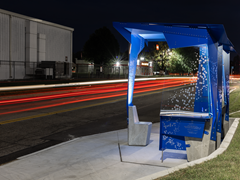
The project was developed in collaboration with Ignition Arts, and the structural analysis was performed by Rbhu Engineering. It reflects Columbus’s close historical connection to mid-century modernism and local industrial manufacturing. Students in the architecture program spent a significant amount of time in the fabrication workshop learning how to translate digital concepts into real materials. In the process, they combined traditional steel craftsmanship with precise digital fabrication to create a durable public structure.
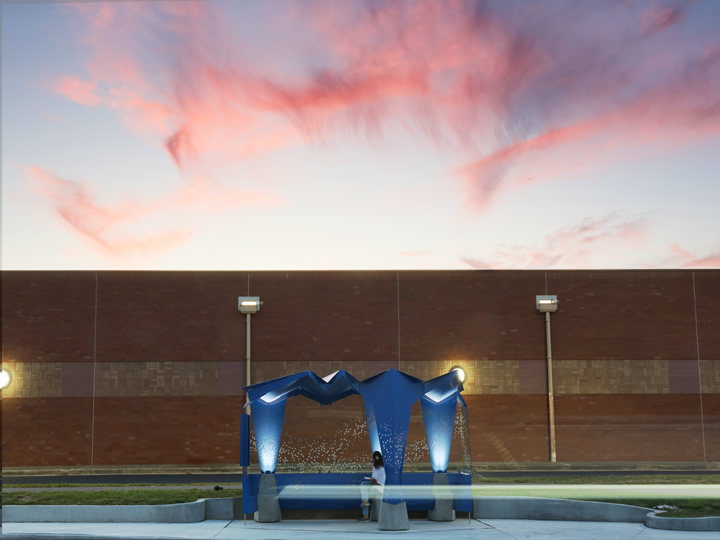
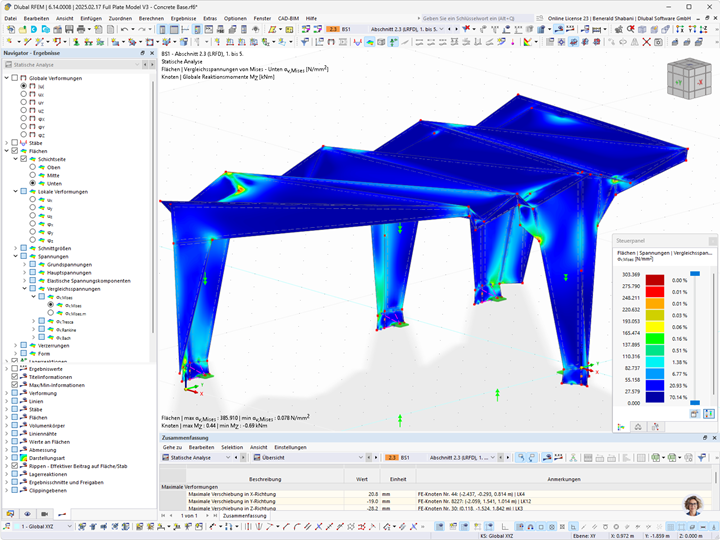
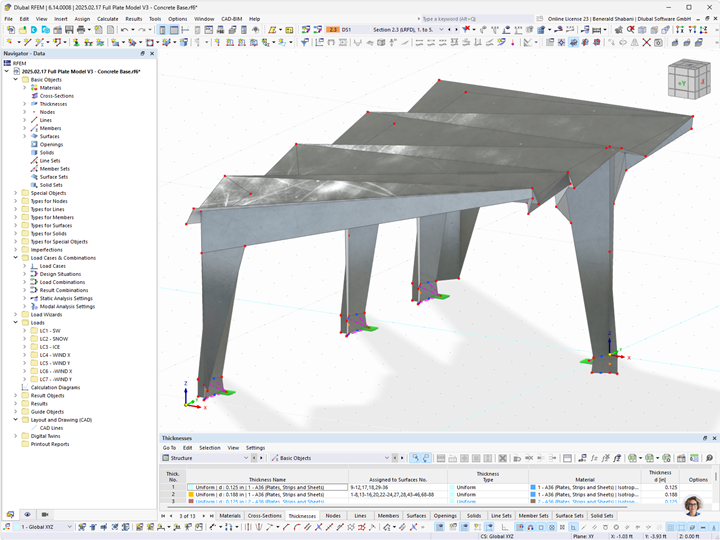
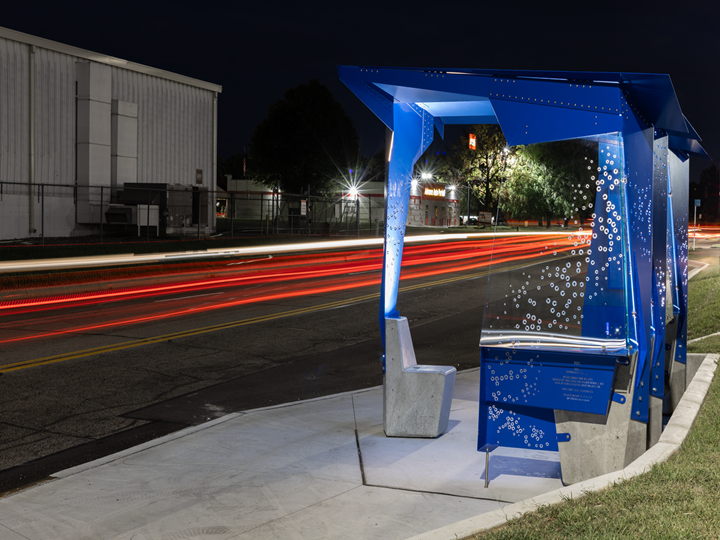
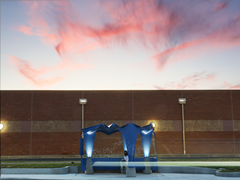
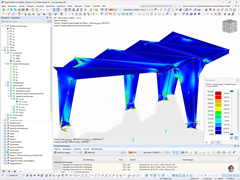
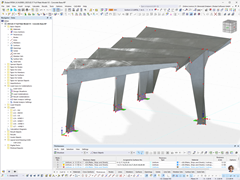
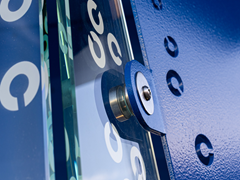
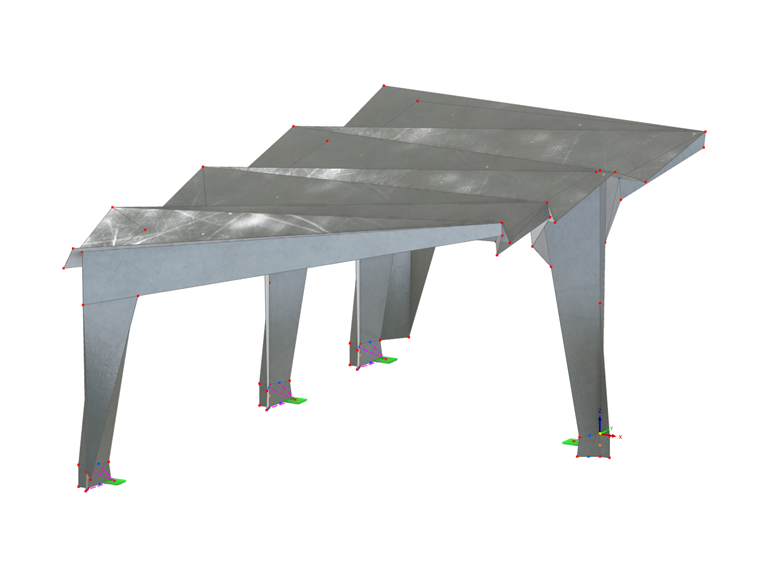
A bus stop with a height of 4.6 m (15 ft) and a width of 4.6 m (15 ft) was constructed from steel plates with supporting rivet connections. The origami-inspired steel surfaces were precisely designed and fabricated in segments to ensure clean geometries and a stable building envelope. Due to the load-bearing plate form, no conventional interior frame is required. Loads are transferred directly into the foundation via the sloped steel surfaces. To secure this steel structure against strong wind suction forces and horizontal displacements, the structure is rigidly anchored to a reinforced concrete slab using heavy-duty anchors. They provide a deep connection between the folded steel panels and the subsoil, ensuring long-term stability.
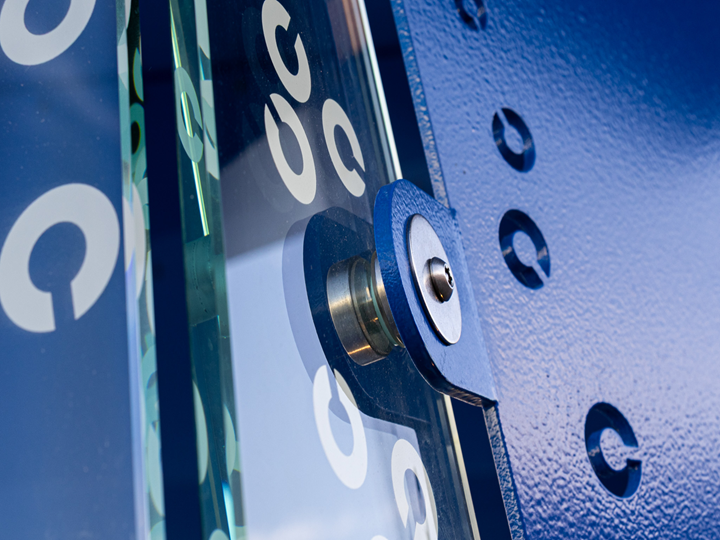
The concept behind the bus stop is: “a place between places, built for everyone.” It serves as an inviting public transition zone at NexusPark. The folded geometries of the steel panels form a sheltered interior space with its own microclimate. At the same time, clear glass panels integrated into the steel frame allow natural daylight to enter the space. This protects passengers while striking geometric shadows fall onto the floor throughout the day.
| Location | 2080 25th St. Columbus, IN 47201 USA |
| Investor | City of Columbus |
| Manufacturer | Ignition Arts |
| Structural Analysis | Rbhu LLC |
| Photographer | Liam Brown |