


|
Author
|
Vishwash Rukwal
|
|
University
|
Gujarat Technological University, India |
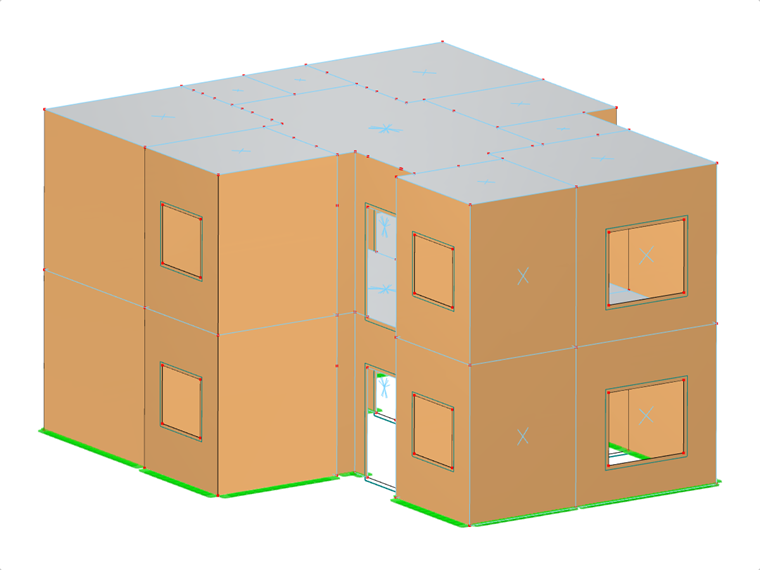
Utilizing the finite element method approach, we will design and analyze the URM building in Dlubal's RFEM 6 advanced structural engineering software, which allows us to design and perform pushover analysis. Also, we conduct a thorough evaluation of a selected two-story URM building using the capacity spectrum method, allowing for a detailed understanding of the building's response to seismic forces using Indian standards. Additionally, the study identifies the predominant failure modes associated with the analyzed structural configurations, providing valuable information for improving design practices and enhancing resilience against seismic events. The findings will not only contribute to the safety and structural integrity of existing structures in seismically active regions, but also inform future architectural practices that honor traditional construction while improving structural integrity. This study underscores the importance of integrating modern analytical techniques with traditional building practices to ensure the longevity and safety of masonry structures in the face of natural disasters.