


|
Author
|
Mārtiņš Vīksna
|
|
University
|
HAMK Häme University of Applied Sciences, Finland |
This thesis outlines essential preservation concepts, historical materials, and current guidelines. Topics include architectural styles, the importance of the conservation and preservation of historical structures, geotechnical considerations and challenges during renovation, energy efficiency, and structural engineering solutions connected to heritage buildings.
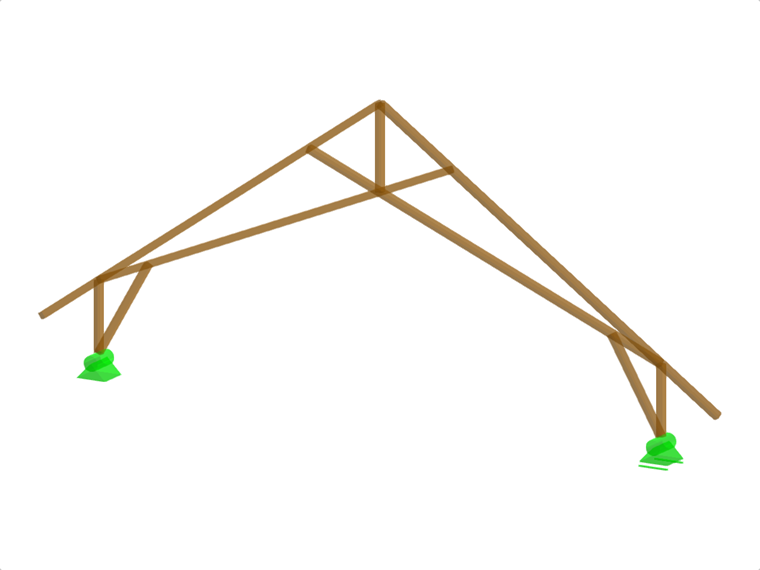
The second section explores the renovation of a historic priest's summer house dating back to the 1900s. The structure is located in a rural area of Latvia. The second part focuses specifically on improving structural integrity and energy performance; this project includes designing a new timber truss element for the roof, preserving original rubble masonry walls, and reinforcing the foundation with reinforced concrete. Additionally, energy efficiency is assessed by post-renovation calculations in the software. The project combines detailed architectural plans with sustainable solutions to balance historical preservation with modern sustainability standards, resulting in a practical and visually appealing proposal for the owner.
Ultimately, this thesis delivers a set of comprehensive plans and a sustainable design approach, serving both as a resource for the building's owner and as a guide for other specialists working on similar heritage renovation projects.