A once-in-a-century summer, record temperatures, sweltering nights, and unbearable heat lasting for weeks on end: There were many comments about this year’s summer from various industries. The fact is: It was hot—way too hot. But instead of complaining about this heat, we now need to find solutions while keeping as cool a head as possible.
How can we use the lessons learned this year to better weather the next heat wave next year? And how do other countries deal with this? In this article, we’re venturing into really hot territory and exploring questions that no one ever asked before: Why do we build only for cold winters and not finally heat-resistant structures as well?
Facts: Record-Breaking Summer of 2026
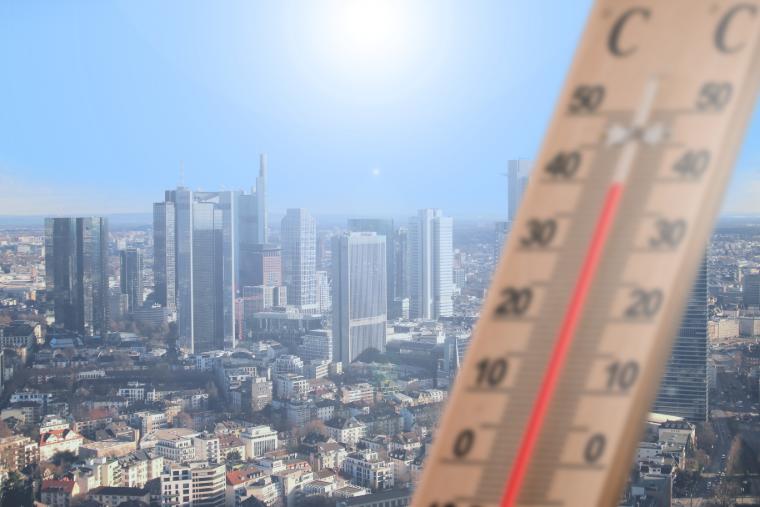
The summer of 2026 was not for the faint of heart—or those with weak circulation. Time and again, massive heat waves with temperatures well above 35 °C struck the heart of Europe. What had already been dismissed as “nice summer days” just years earlier has reached new heights this year.
Extreme heat is no longer an unusual weather event. Climate models clearly show that hot days and heat waves will continue to increase in the long term. And our construction industry? It now faces a major problem. Above all, we all share this problem: Many of our buildings and entire cities were designed for very different temperatures.
For decades, we’ve been investing heavily in thermal insulation and energy efficiency when it comes to heating. Our homes are becoming increasingly airtight and better insulated: from energy-optimized triple-pane windows to the most efficient heating systems to doors that protect against the cold more effectively than light blocks out darkness.
But as soon as summer arrives, this very fact leads to problems: heat buildup, lack of ventilation, muggy air, and a free sauna in the attic. The question is: Why are we so good at protecting buildings from the cold, yet virtually powerless against summer heat?
In fact, there are a whole range of measures in Germany that relate to summer heat protection. The Building Energy Act (GEG) does indeed contain guidelines for reducing the risk of overheating in buildings. However, design, the existing building stock, and actual climatic trends don’t always align perfectly. Sometimes there’s a world—or several decades—between them.
So the question is: Are our current approaches to heat protection still sufficient when isolated hot days turn into intense heat waves? Or, instead of just tweaking a few parameters, should we instead adopt entirely new heat protection concepts right away? That’s exactly what we’re discussing today.
Historical Context: Germany in Heating Fever
To understand why we build the way we do, it’s worth taking a look back at the past. Germany already has one problem: winter. Over the past few centuries, winter has claimed numerous victims who simply froze to death without proper heating. That fact has literally been burned into our collective memory.
Past: Well-Prepared for Winter
Germany has traditionally been known for long, cold winters Many of us still remember these long cold spells from our childhood. Three weeks of snow chaos: once quite normal, today more of an exception. On top of that, the last few decades have seen rising energy prices, coupled with high CO₂ emissions from heating systems, such as those using coal, oil, or gas.
No wonder, then, that for decades the focus in energy-efficient construction has been on factors such as thermal insulation, high-quality windows, and efficient heating technology. From an energy perspective, this made perfect sense. The goal was to lose as little heat as possible while consuming as little energy as possible.
Today: Problem in Summer
What is now coming back to haunt Germany is a very simple principle: A building does not distinguish between “desired” and “undesired” heat. The purpose of a well-insulated building envelope is to reduce heat exchange in both directions. This is extremely practical in winter, but can become a problem in summer.
In winter, the heat stays inside, which is, of course, a huge advantage. This way, we use less energy to maintain a moderate temperature within our homes. Once warmed up, it stays pleasantly warm for quite a while.
But that’s exactly what’s problematic in the summer. Once heat gets inside, it stays there. And today, we have entirely different problems on top of that. After all, it’s now less the heat from outside or the presence of multiple people that heats up the interior of our buildings.
The main culprits are computers and monitors, often bright lighting, running household appliances, and machines or servers. Especially in office buildings, this frequently results in significant heat loads.

Heat Protection: What's the problem?
First things first: Insulation isn't a problem in and of itself—quite the opposite. If you've installed good insulation, it protects the interior from the heat outside. After all, it doesn’t let the heat in in the first place. The real problems lie with other structural components, such as dark roofs made of materials that absorb and store heat, causing the roof structure to boil from the inside out.
Large window areas, a lack of shading, and a construction method that retains heat more effectively than it releases it also contribute to an enormous influx of heat when it’s unbearably hot for several days in a row. Remember: Heat that’s once inside stays there.
In past summers, nature has helped us tremendously with this problem. This is because a building can absorb heat during the day, store it in its structural components, and release it into the indoor air at night. Concrete and masonry, in particular, are known for being good heat stores and for keeping rooms cool during the day. Through proper ventilation, this warm air escapes outside at night or early in the morning, and cool air flows in.
However, this year we’ve come to realize where nature’s limits lie. If the outside temperature doesn’t drop enough at night, such tropical nights cause indoor temperatures to rise day by day. And after three or four hot days with nights that are far too warm, we end up in an involuntary sauna session that shows no sign of ending anytime soon.
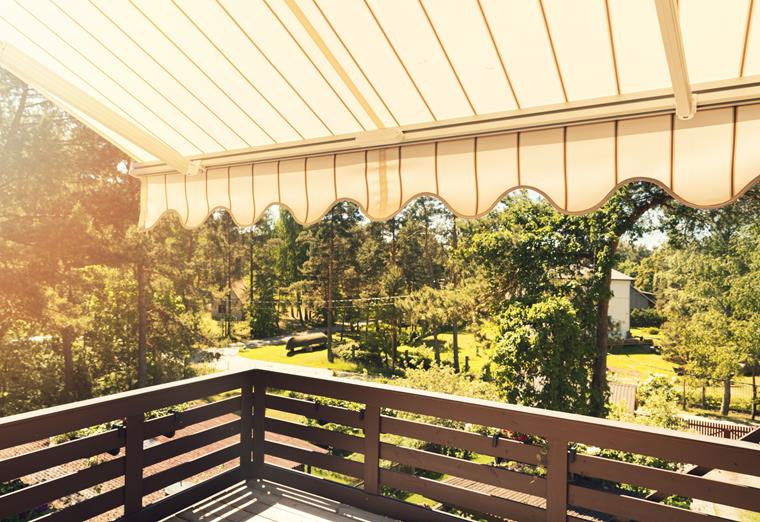
Well-insulated walls are one thing, but what about windows? Especially in office buildings, windows are the biggest thermal weak points. In winter, heat is lost through them, and in summer, the sun’s rays bring too much heat inside. Even triple-pane windows don’t help here.
The most important thing here is: Which way do the windows face? And is there sun protection that blocks the sun’s rays already before they reach the glass? Because that’s the only way we can prevent heat from finding its way into our homes in the first place. But is the problem with overheated cities really limited to our buildings?
Heat Islands: Danger of Heat in City Centers
Why is it so hot in our cities in particular? This is no longer just about individual buildings, but about urban planning in general. When most of our cities were planned, we didn’t yet have these extreme problems with prolonged heat. In most cases, the priority was to accommodate as many people and businesses as possible in a small area. Many cities also grew naturally or it is necessary to rebuild them quickly and inexpensively after destruction, such as that caused by World War II. So, in such cases, no plans were made for events like heat waves.
Our cities heat up more than their surrounding areas and cool down more slowly at night because concrete, asphalt, and facades store heat during the day. As soon as the sun goes down and a cool breeze finally begins to blow, the city releases the heat accumulated during the day and heats up what would otherwise be pleasant air to an uncomfortable level. As a result, the nighttime cooling effect is naturally lost entirely. This is called a heat island.
Added to this is soil sealing. Rainwater can hardly be stored on sealed surfaces and thus evaporates. Our cities lack an important natural cooling effect here—such as that provided by planted areas. And while we’re on the subject of plants: Trees and green spaces would block the scorching rays of the sun before they hit streets, large plazas, or buildings directly. Without this shading effect, nature’s cooling effect is lost.
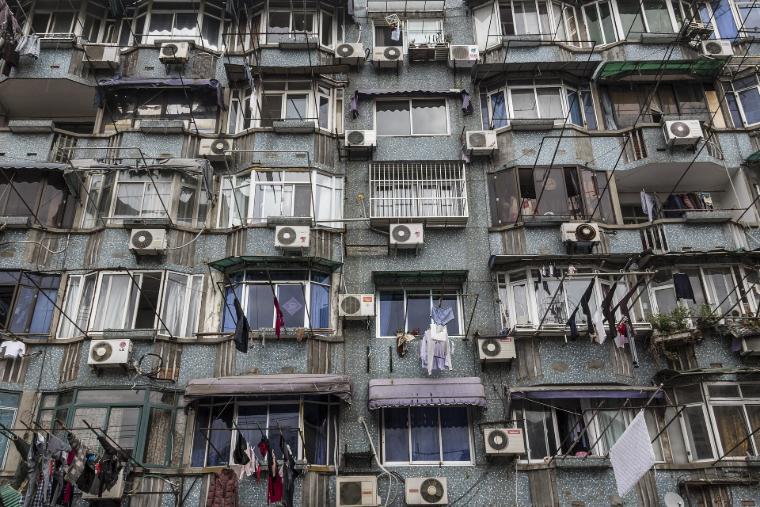
On top of that, dense development causes problems for the urban climate. Heat builds up between buildings standing so close together, and it takes an extremely long time for that heat to escape back into the outside air. Air conditioning systems make the situation even more dramatic, by the way: While they cool indoor spaces, they release the extracted heat to the outside. If nearly every residential or office unit in the city center has air conditioning, the heat burden increases even further. Ultimately, the heat in the city has nowhere to go.
Let’s broaden our perspective even further beyond our cities—ideally, right across national borders. If heat has been a common occurrence in other regions of the world for centuries, how do those countries deal with it? And above all: What can we learn from them?
How Other Countries Deal with Heat Waves
In the Mediterranean region, heat is a part of everyday life—and has been already for centuries. Countries like Spain, Italy, and Greece show that heat protection works even without high-tech solutions. What’s interesting here is traditional Mediterranean architecture: shading, light-colored facades, small openings, shaded courtyards, and transitional spaces ensure a pleasant climate when it’s too hot outside.
Most estates or houses are built to include a shaded courtyard. However, this area is far more than just a pleasant place to spend time; when properly oriented, it helps cool the entire building. How does this work? The roofs all slope toward the courtyard, so that rain flows directly into it. Thanks to lush vegetation, these areas store water and, in addition to evaporative cooling, also provide sufficient shade.
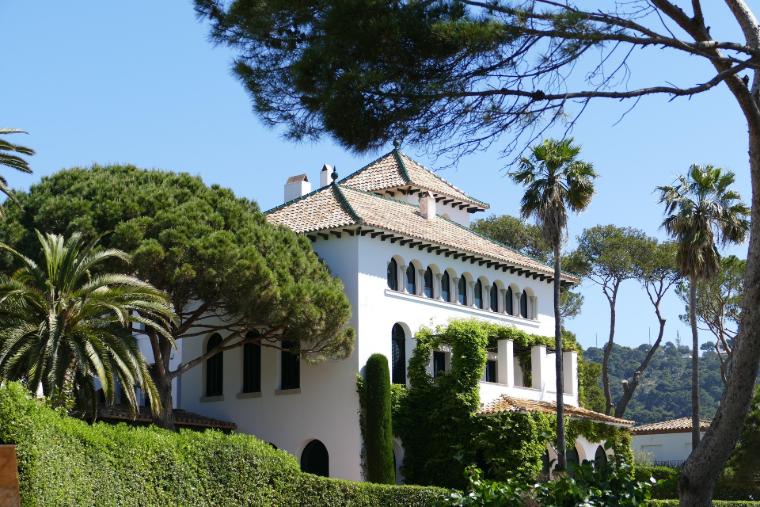
The deep openings in which the windows are set, as well as timber shutters, arcades, pergolas, and roof overhangs, protect against direct sunlight and thereby minimize the heat that enters the interior through the facade. Mediterranean architecture is therefore not only beautiful; it has also proven effective in combating prolonged heat.
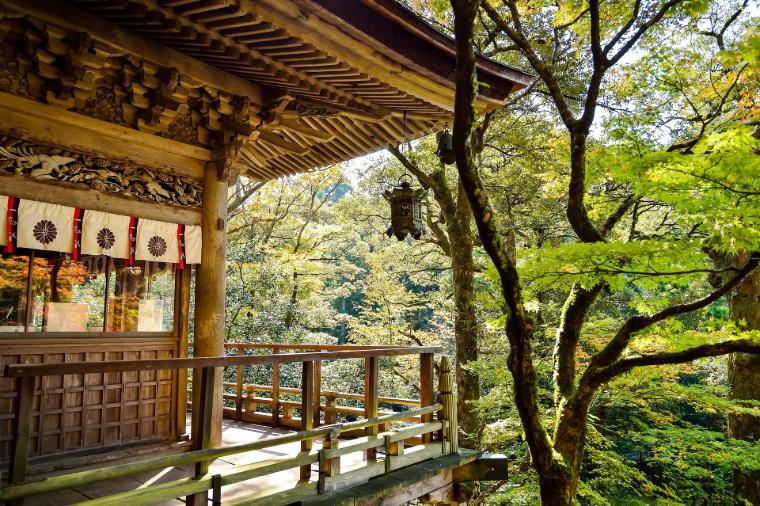
Another country familiar with heat waves is Japan. There, it is not only the persistent heat but also the high humidity caused by the coastal location that calls for an adapted architectural style. In traditional buildings, windows and open areas are designed so that cross-ventilation always ensures pleasant air.
The large roof overhangs, open floor plans, and covered areas between buildings or rooms also provide air movement and shade. We can therefore conclude that traditional architecture works with shade, air, and spaces between structures rather than solving thermal problems through air conditioning, for example. The buildings themselves thus become, so to speak, a climate interface between the interior and exterior.
German Construction Industry: Measures Against Heat Waves
How can we best make our buildings heat-resistant? Copy Mediterranean architecture? No, that would be too short-sighted. Germany needs buildings for summer, winter, and the transitional periods in between—and, ideally, buildings that can cope with extreme weather as well. Ultimately, what we need is a robust building envelope with flexible temperature regulation.
It’s important to understand that passive measures always take top priority. This is because they don’t cause any additional costs or emissions during the building’s operation. These include the following elements of building design:
- Building orientation
- Thermal mass provided by solid walls
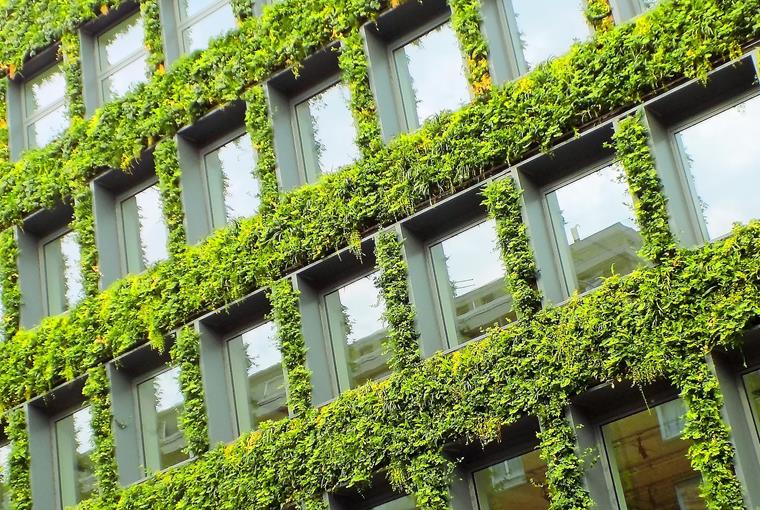
- Shading provided by exterior sunshades and greenery
- Natural cross-ventilation thanks to appropriately positioned windows
- Limiting window areas to what is truly necessary
- Light-colored facades and large roof overhangs
Only after addressing these points should we consider our beloved technology. Above all, the goal is to cool as efficiently as possible using as little technology as possible. After all, electronics always generate a certain amount of waste heat. Here, particularly in the realm of smart homes, it would be interesting to fully exploit the potential for automation—for example, through intelligent night-time ventilation.
Concept: Heat-Resilient Urban Planning
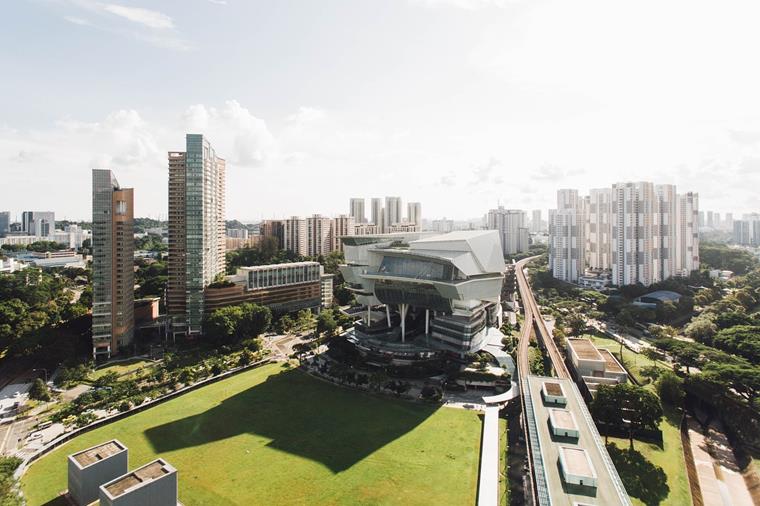
In urban planning, it is important to view the city as a global structure. In addition to the buildings themselves, this includes infrastructure such as roads, public squares, energy supply, and traffic flow. How do we design green spaces? What about the roofs of underground parking garages if we no longer want large-scale parking lots? And how do we ensure that the air between buildings can circulate freely?
We don’t simply need more urban trees that stand crammed together in isolated rows. Far more important are large, contiguous green spaces that can store rainwater. On large impervious surfaces, we need light-colored surfaces and shade instead of dark asphalt that heats up. It is necessary for rainwater to be able to drain reliably. This is where the sponge city principle comes into play.
In addition to green facades and roofs, fresh-air corridors can also help mitigate heat buildup in the summer. It is necessary to treat buildings collectively as a single complex and plan them accordingly. Only in this way can we ensure that neither heat waves with dry spells nor heavy rain paralyze our city centers or—which would be far worse—make them unlivable for extended periods.
Almost as Important: Making Existing Buildings Heat-Resistant
Fortunately, new buildings can be adapted relatively easily. But most cities have already been around for several decades. There are beautiful city centers where such adaptation is not always possible. Furthermore, we must not forget that none of us knows exactly what will happen in 20 or 30 years.
Yet buildings that have been part of the cityscape for years will still be standing decades from now. They were designed neither for our current climate nor for what the future may hold. So this is where a balancing act begins: What can be retrofitted in existing buildings? And how far into the future should we plan, at a minimum?
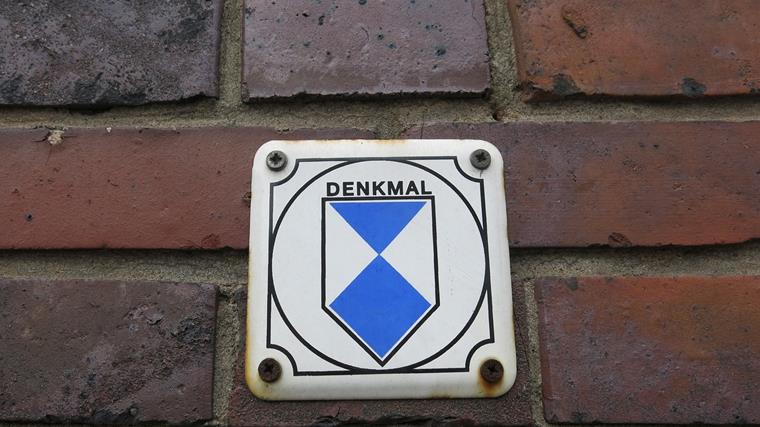
Not every building listed as a historic landmark can have green facades or green roofs installed. The best approach would be to combine heat protection measures with renovation goals. For example, painting the roof a lighter color during a roof renovation that’s already scheduled can help just a little bit.
Conclusion: New Heat Protection Strategy for Germany?
Ultimately, it is necessary to move beyond the question “Does the building function under today’s conditions?” and think further into the future. What matters is whether the planned building will function even under conditions that are highly likely to occur during its lifespan. And to answer that, it is necessary to look at climate maps rather than at the historical past.
To make our homes and entire cities heat-resistant, it is not necessary to have a new, large-scale concept. It is not necessary for brilliant minds to rack their brains over this anymore. Many solutions for prolonged heat waves are far older than our building technology. They lie in traditional construction methods that have become established in countries where problems like those we face today in Germany have been part of everyday life for centuries.
Our goal should be to design and retrofit buildings so that they require as little mechanical cooling as possible. Until now, the key question for energy-efficient construction has been: How do we prevent heat from escaping from the building in winter? Now a second question is becoming just as important: How do we prevent a building from overheating in the summer in the first place?
To be sustainable, our houses need to do both—retain heat and keep heat out. Beyond that, it is necessary for our cities to be heat-resilient. The buildings we use and plan today should still be standing in 20, 50, or 100 years. This makes a well-developed heat protection strategy a long-term planning goal that will hopefully ensure environments that remain livable—even during intense heat waves.