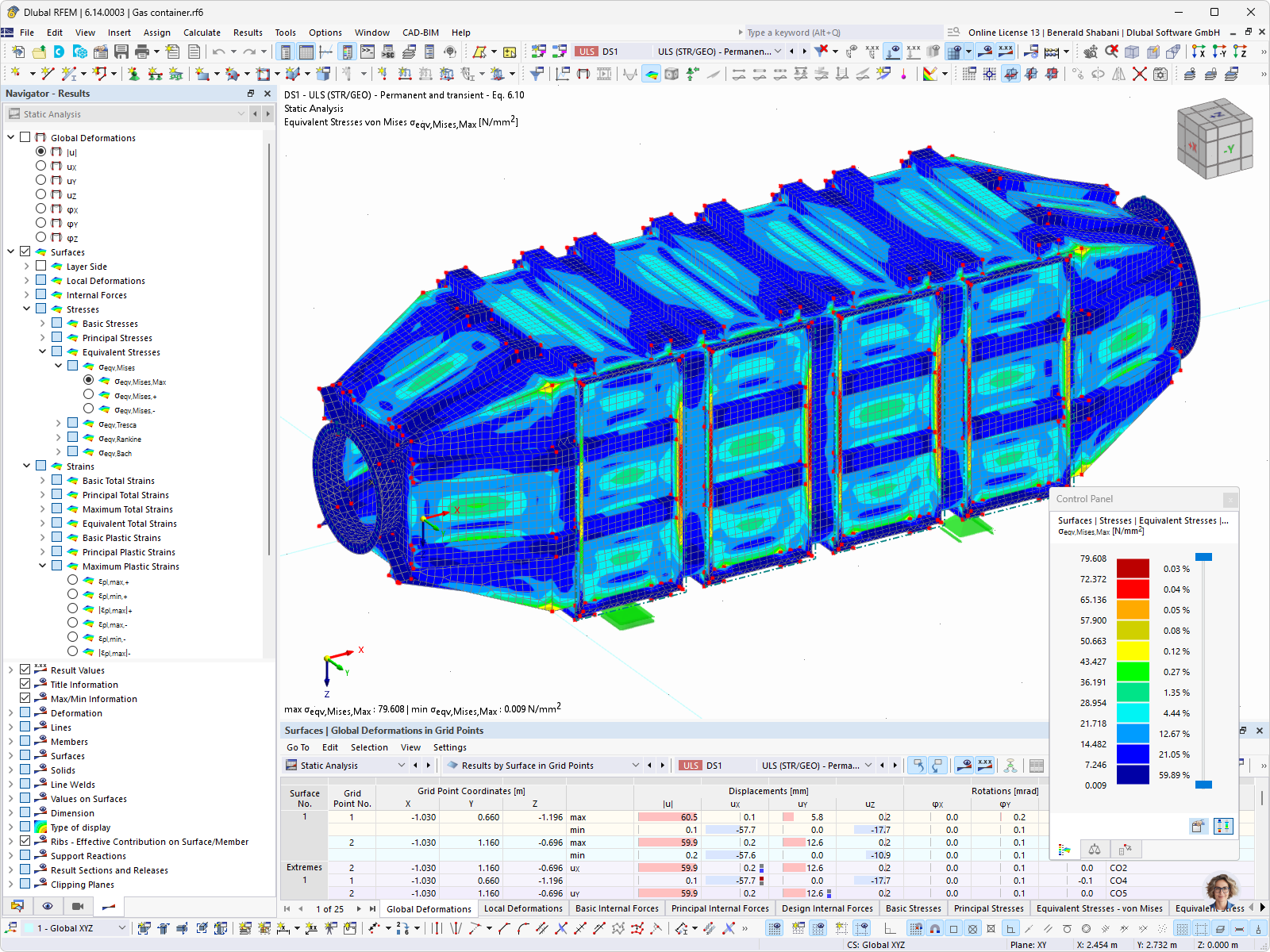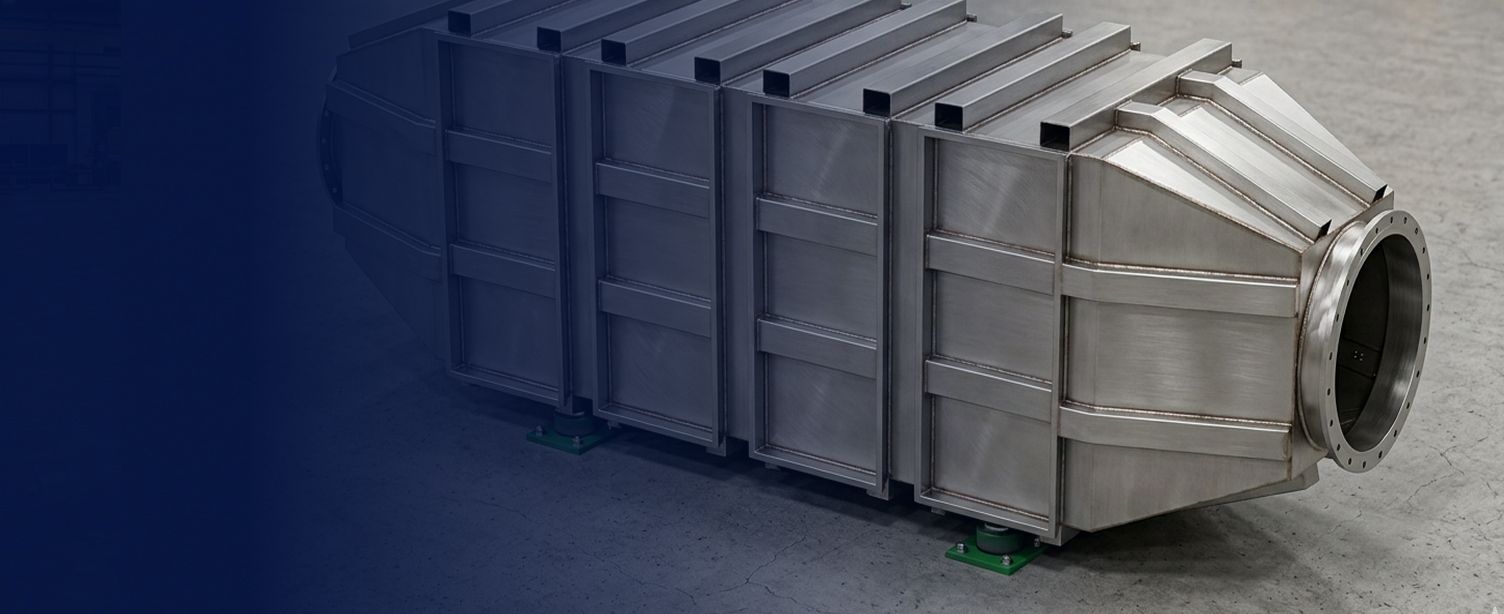
Structural analysis of a stainless-steel gas container designed by Arcus Engineering. The container's resilience and durability are assessed using advanced engineering software.
Case Study

Precision in Pressure: Designing a Stainless Steel Gas Container with RFEM 6

Challenge

Designing specialized industrial equipment like a stainless steel gas container presents unique challenges compared to standard infrastructure projects. The primary difficulty lies in the non-linear material behavior of thin-walled steel components and complex ducting systems. Engineers must accurately predict high-strain areas and ensure the vessel remains stable under internal forces, particularly when second-order effects are difficult to determine through traditional linear calculations.

Solution

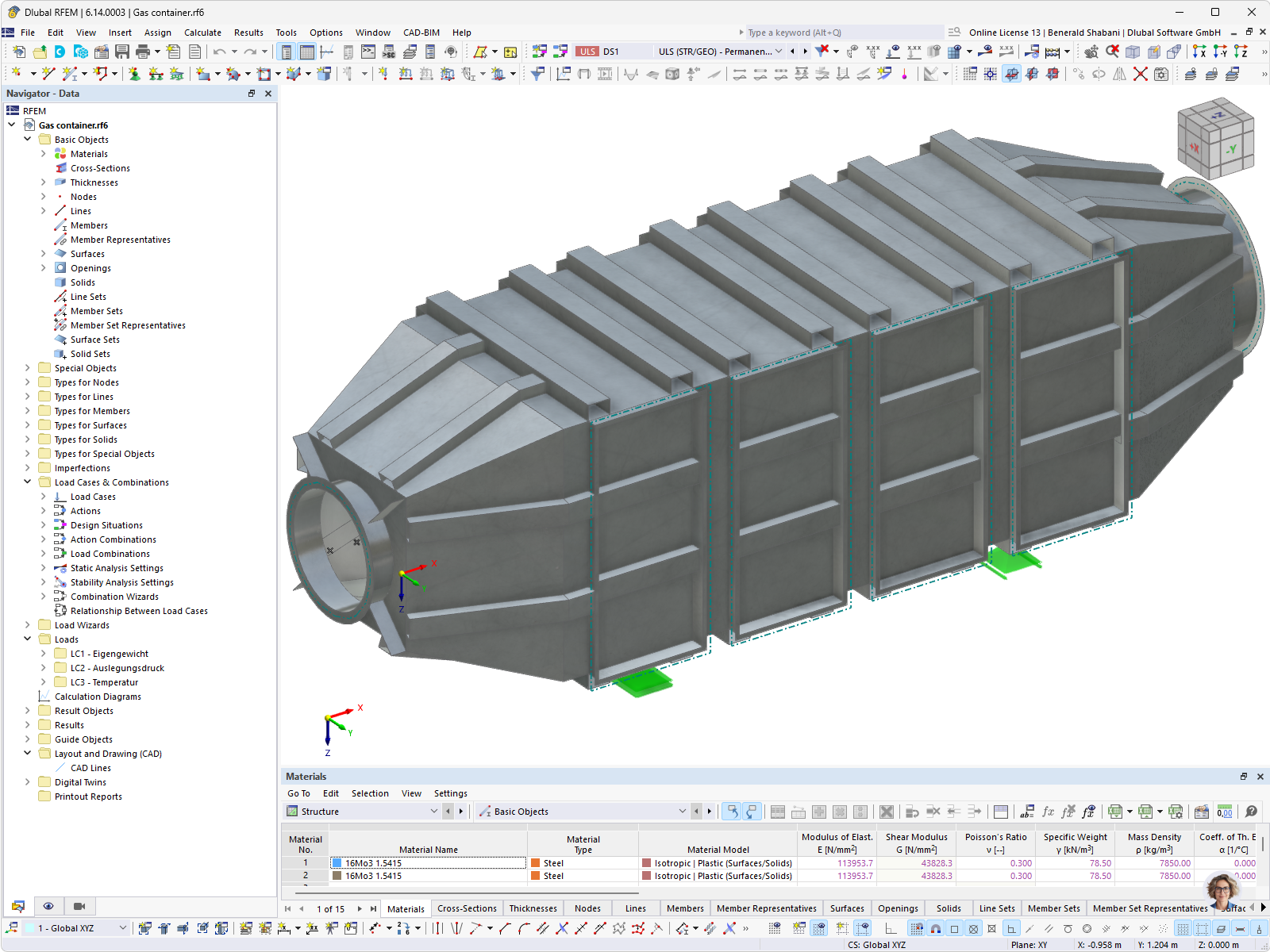
Structural Engineer Lazar Savić and the team at Arcus Engineering applied RFEM 6 to perform high-level non-linear material analysis on the container. This approach allowed the team to understand exactly where and how high the strains would be throughout the steel structure. By utilizing RFEM’s stability analysis tools, Arcus Engineering successfully verified the safety of the vessel, applying the same rigorous standards they use for iconic projects like the Expo 2027 pedestrian bridge in Belgrade.

Key Benefits of Using RFEM 6

  • Non-Linear Material Analysis: Crucial for complex steel structures and ducts to identify precise strain locations.
  • Stability Verification: Effectively handles cases where second-order effects are uncertain.
  • Versatile Steel Design: Provides robust tools specifically tailored for advanced steel structural analysis.
  • Efficiency in Complex Projects: Simplifies the engineering process for non-standard, intricate industrial geometries.
Mastering Complex Steel Geometries

For the stainless steel gas container, the workflow centered on RFEM 6’s ability to handle intricate steel design. The software was instrumental in performing stability analyses, ensuring the container could withstand its specific operational loads. Mr. Savić notes that the software’s ability to model complex steel structures, such as gas containers, is particularly helpful for understanding the physical limits of the material.

This precision is a hallmark of Arcus Engineering's workflow, whether they are working on industrial containers or large-scale civil projects like the 40-meter span pedestrian bridge for Expo 2027. In both instances, the software provides the necessary tools to conduct a full structural analysis, from stability checks to advanced material modeling, ensuring every design meets stringent safety and aesthetic standards.

A Versatile Solution for Diverse Engineering

The team at Arcus Engineering finds Dlubal software incredibly versatile across different project types. For regular structures, they frequently use automated wind and snow load generators to save time. However, for specialized projects like the gas container or the Belgrade pedestrian bridge, the more advanced features of RFEM 6—such as non-linear analysis—become the primary focus.

Mr. Savić highlights that the software is a "big help" when dealing with complex structures where standard information might be insufficient. The ability to switch seamlessly between timber modeling for sustainable projects and high-precision steel analysis for industrial applications gives the firm a significant competitive edge.

Why Dlubal Software

  • Stability Expertise: Advanced handling of second-order effects in complex structures.
  • Detailed Strain Mapping: Non-linear analysis reveals high-strain areas in steel components.
  • Versatility: Equally effective for industrial gas containers and iconic bridge designs.
  • Time Savings: Automatic load generators streamline the workflow for regular structural elements.