


Egypt has seen a lot of unrest in recent years. Almost half of the people there live at or below the poverty line. As well as politics, the main reasons for this are the growing population and the limited space available for farming in Egypt.

The only place where they can grow the grain that the population so desperately needs is along the Nile, the country's lifeline. It's not enough to just meet demand. So basically, Egypt has to get most of its food from other countries to meet its own needs.
This approach has made Egypt really reliant on trade with other countries. Importing grain is also quite expensive and time-consuming. Well, Egypt is now saying it's going to do something about this. Here's the plan: New Delta. Come up with a plan to create a new farming area in the middle of the desert. How's this supposed to work? Let's have a look.
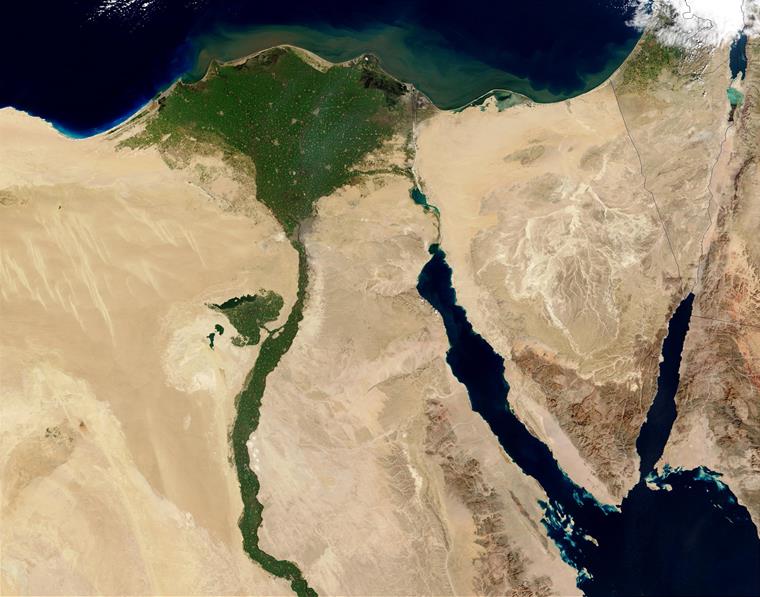
What is the “New Delta” project?
So, what's this New Delta Project all about then? Egypt is looking to use some of its desert for farming. To do this, they're going to have to divert water from the Nile and use a water reservoir under several layers of rock to grow food.
It might sound like a really complex project, but there's a lot more to it than that. It's no coincidence that we're talking about New Delta in this article. It's a first, after all. Obviously, there are pros and cons to this.
Egypt and Its Agriculture
By 2050, Egypt's population will have swelled by about 40 million people, hitting almost 160 million. We need to feed this extra population. But only about 4% of Egypt's land is suitable for farming. Even these areas along the Nile are already suffering from urbanisation and soil depletion.
Egypt is already dependent on food imports. It's pretty amazing that 96% of its wheat comes from other countries, and it ends up costing the country billions of dollars each year. The food situation was pretty dire, made even worse by the political and economic chaos.
Hey, this is
.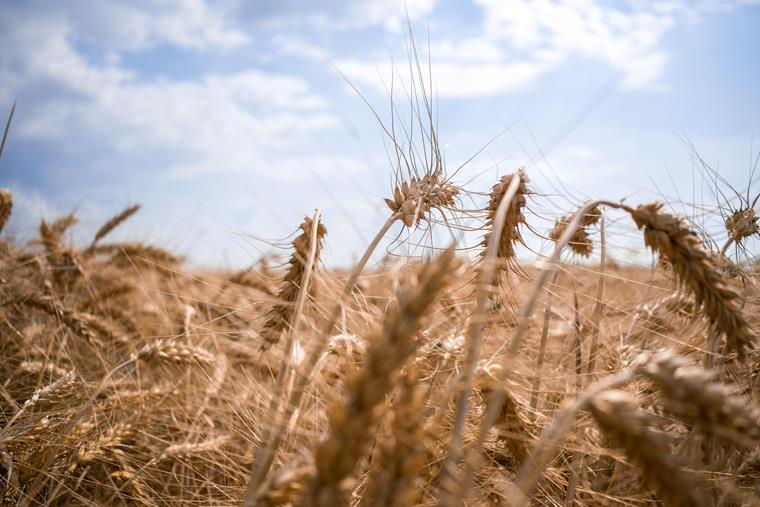
Between 2017 and 2022, Egypt imported 82% of its wheat from Russia and Ukraine. When the war broke out, this supply line was cut off. Even though Egypt was able to import wheat from other countries, the price went up by almost 40%.
This has shown how dependent Egypt is and how that makes it vulnerable. It's more important than ever to do everything we can to grow more food and make sure everyone in the country has enough to eat. And that's exactly what Egypt wants to achieve, no matter what.
Project Scope and Ambitions Within New Delta Project
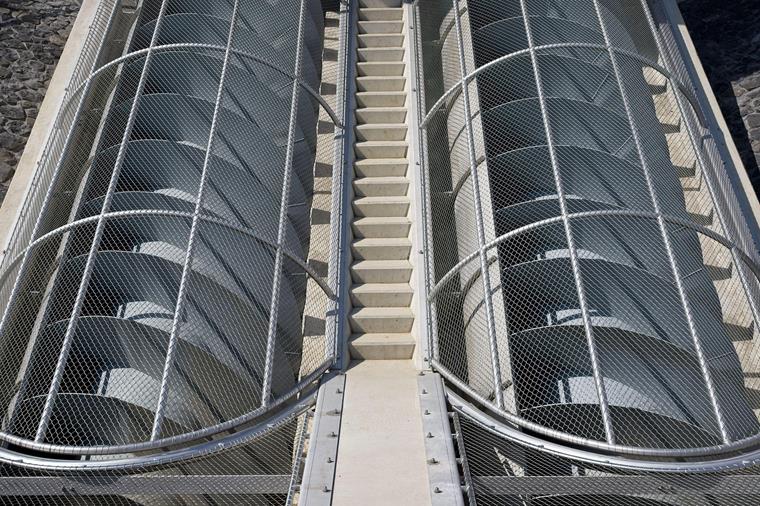
So, what's the secret to turning a desert into an agricultural oasis? First of all, there are lots of canals, pumping stations and irrigation systems. Then, we'll need to sort out housing for all the people who'll be building and running these facilities. This means that settlements and a load of roads have to be built. Also, there are other kinds of industrial facilities, like sewage treatment plants and power stations.
The plan is to divert some of the water from the Nile into the desert to use for new farmland. But how much new surface are we talking about here? Actually, similar projects have already been running in Egypt for quite a while. You've never heard of them? It's no surprise, then, that even the New Delta Project has been kept under wraps.
Between 2015 and 2020, Egypt hit its first milestone. More than 5,000 km² of desert was irrigated. This meant the country was able to get about 50% of its food needs met itself. The plan is to reach 65% by the end of 2025. But it's crucial to nearly double this figure to make sure Egypt remains independent. So, the New Delta Project got off the ground.
Infrastructure of New Delta Project in Egypt
In March 2021, the world learned that Egypt was planning to build the world's largest artificial river. A Nile 2.0, if you will. The project will create over 9,000 km² of new farmland. To accomplish this, agricultural wastewater, which would typically flow out through the Rosetta arm of the Nile Delta in the western part of the delta, will be redirected.
Consequently, the water will no longer flow into the Mediterranean Sea but rather into an artificial river. So far, so good. But what happens next? This new river runs another 50 kilometers along the Mediterranean coast. Then things get exciting. It turns inland.
It actually continues to flow underground. Ten 3-meter-diameter underground pipes carry the water 22 kilometers into the middle of the Egyptian desert.
- However, the journey of the Nile water is far from over. Once back on the surface, the water travels another 42 kilometers through a canal to the large water treatment plant in Al Hammam. Around 500,000 hectares are supplied with 6 million m³ of water from here every day. The second large treatment plant, Bahr El-Baqar, is almost as big. That's a lot of water being circulated.
Just 125 kilometers east of Al Hammam, another canal is under construction to channel additional water from the Nile into the desert. Along with desalinated groundwater from an underground reservoir, water for New Delta comes from these three sources.
Then, the liquid gold is transported to the fields. But how? Via numerous canals! Twelve high-performance pumping stations work tirelessly here to irrigate 4,400 km² of new agricultural land. This should be enough to further stabilize the country's food supply — at least in theory. In practice, however, there are a number of problems with the New Delta project.
Key Issues with New Delta Project
There are several problems with the New Delta Project in Egypt. These are reason enough to take a closer look at the most significant ones. These include issues related to water and soil, as well as unrest, greenwashing, and false promises to the country's own population.
Water Scarcity in the New Delta Project
Just by looking at a map of Egypt, you can see that there is not much water there. The Nile is nearly the only source of water for the entire country. Where is the life-giving liquid for so much more farmland supposed to come from?
In addition to exploiting the Nile to its fullest, a water reservoir is also being considered. We have already mentioned this. But what is it all about? It is a large water reserve beneath layers of rock. In the middle of the desert.
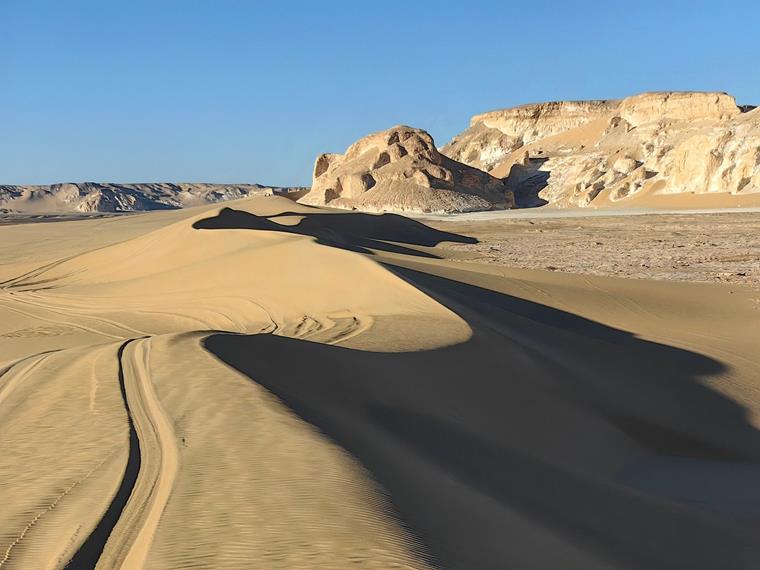
Sounds good! So, let's tap into it and draw it off like a barrel! Unfortunately, there are a few complications. First, Egypt's groundwater is very salty. After all, the desert used to be a sea. Even if you could access the water, you would need to laboriously desalinate it. Furthermore, no one knows how long the water has been trapped underground. This raises further questions:
- Are there bacteria or germs that should remain there?
- Does blasting cause instability in the rock?
- How much water is there anyway?
- What if the tank eventually runs dry?
These are all questions that have not yet been publicly answered. In general, hardly any details about the New Delta Project are being disclosed. This naturally leaves a lot of room for speculation. In this article, we will rely on confirmed information as much as possible. Unfortunately, this is not always possible.
GERD Dam: Problem for New Delta Project?
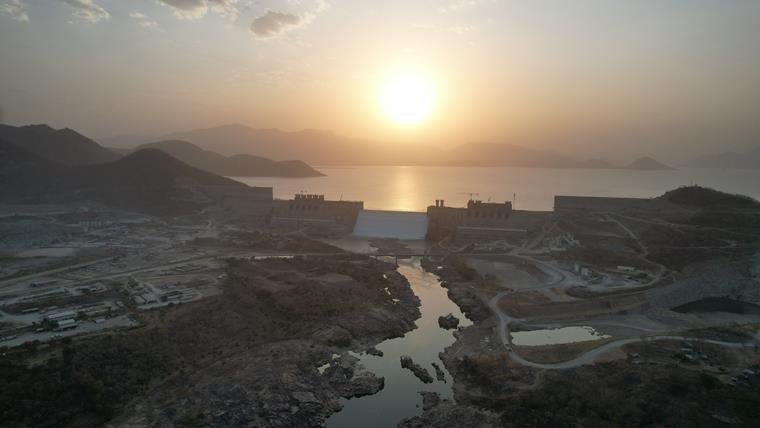
It's in all the newspapers right now: Ethiopia is inaugurating its GERD dam. Construction took 14 years. The dam can hold up to 74 billion m³ of water from the Nile River. The associated hydroelectric power plant is the largest in Africa. However, this is not good news for the New Delta Project.
The water that helps Ethiopia generate a lot of electricity is hindering the New Delta Project. As a result, there is a shortage in the Nile structural system, which Egypt would like to continue exploiting sustainably. This has caused stress with its neighbors for years.
Poor Soil in New Delta
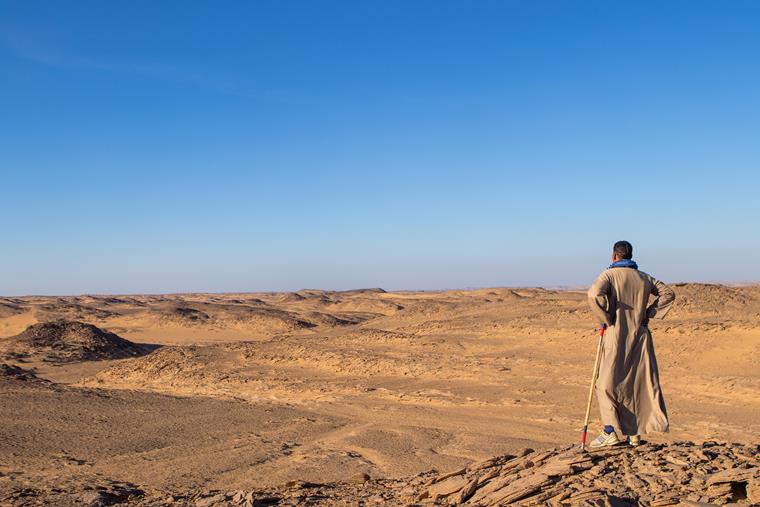
What else is needed for agriculture? Good, nutrient-rich soil, of course. However, deserts are not necessarily fertile. This is true in Egypt's Western Desert, where the New Delta Project is being developed.
Due to salty groundwater, the soil is salty as well. Grain, which is important for the food supply, does not grow well in this type of soil. Therefore, it is necessary to prepare the surface first. This requires a lot of fertilizer. This, of course, costs a lot of money and resources.
New Delta Project: Building in Desert
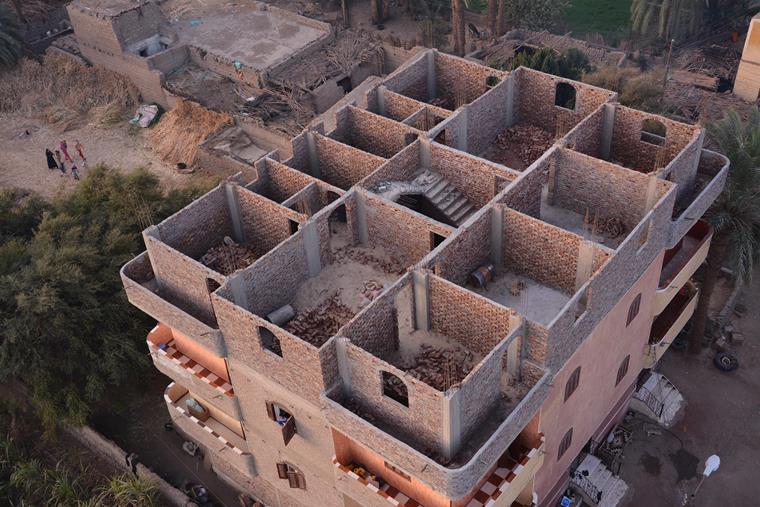
Another key challenge is creating infrastructure and buildings. After all, everything must be built in the desert. Sand is extremely unsuitable for use as subsoil. This is especially true for roads. Nevertheless, building materials and workers must be transported there somehow.
There are hard layers of rock beneath the sand. Drilling into them to lay a foundation or pump water from the subsoil later can pose major problems for those responsible. The gigantic pumping stations and canals consume a lot of energy, not only during construction. Pumping and treating water is costly and electricity-intensive, and thus very expensive. Is it even worth it?
Economic Risks with New Delta Project
This brings us to the next point. Along with the new agricultural land, new cities are planned along the canals and in industrial areas. Undoubtedly, Egypt is facing enormous costs running into the billions. The country cannot really afford this, especially given its already struggling economy.
Furthermore, agriculture is not a reliable investment. Yields are extremely uncertain and depend on various factors, including the weather. All of this will likely burden the Egyptian economy more than help it in the future.
However, it is not possible to make precise statements about this. As previously mentioned, many details of the New Delta Project are not public. Even local journalists do not dare touch on the subject. Why? Because the entire project is military-run. In Egypt, no one wants to get on the wrong side of the military.
New Delta Project: Environment and Sustainability
The last topic we would like to address is sustainability. The New Delta project was presented by the Egyptian government as a genuine showcase project. It was supposed to focus on sustainable resource use and smart cities. But is that really the case?
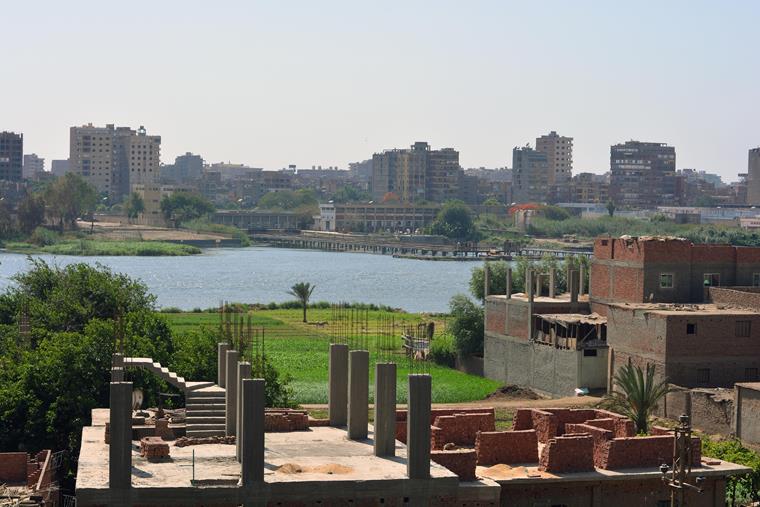
In fact, the overuse of Nile resources has received more criticism. The Nile is the country's lifeline for good reason. Another artificial Nile delta could ultimately bring this already scarce resource to a complete standstill.
Furthermore, artificial irrigation on this scale releases salt bound in the sand, which further contaminates the soil. This could become a major problem in the future.
New Delta Project: What are the opportunities?
Despite the uncertainties and problems, the New Delta Project provides a range of opportunities, especially for the construction industry. The large order backlog means a lot of new orders for the Egyptian construction industry, as it is necessary to construct so many facilities and buildings.
Furthermore, every challenge brings new experiences. It sounds like a bad calendar quote, but it's true. The construction industry can learn from the New Delta Project, particularly in the areas of irrigation, water treatment, and large infrastructure project creation. We know that we learn from the failures of others. Large-scale projects in Germany, for example, often fail or narrowly miss success. If you're interested in this topic, check out this blog post: Large-Scale Construction Projects in Germany .
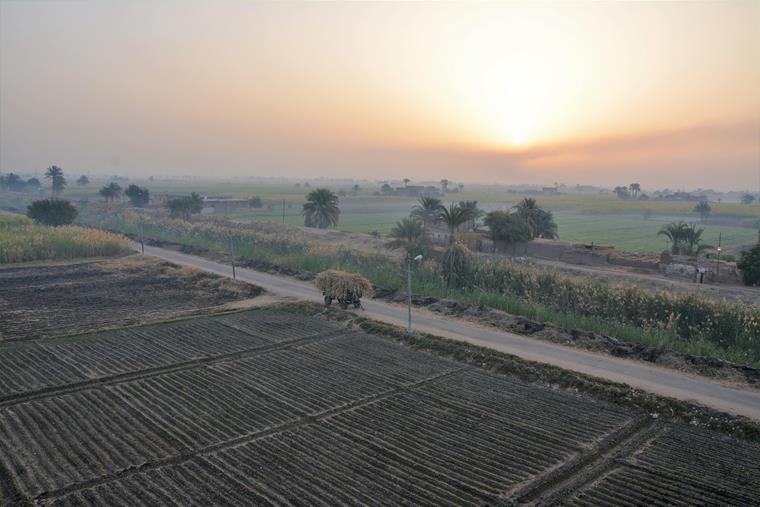
The project has not officially failed. Take a look at the desert region west of the Nile Delta and you'll notice green circles — lots of them. These are the huge fields where crops are grown as part of the New Delta Project. This brings us to the next opportunity: Egypt can finally supply its own population with grain. Or can it?
According to unconfirmed sources, most of the crops grown in the New Delta are intended for export. Why? Quite simply, it brings more money into the empty state coffers. Egypt has already been strongly export-oriented.
According to anonymous reports, the following crops are grown in the New Delta: cotton, sugarcane, corn, rice, wheat, millet, potatoes, and barley. However, not for its own people. There are also watermelons, citrus fruits, mangoes, dates, figs, and wine.
Perhaps you have already noticed. These crops require a lot of water, but they can be exported for a large profit. Unfortunately, Egypt cannot change its ways. This comes at the expense of its own population and the country's internal stability.
Conclusion on New Delta Project
Despite all the opportunities and the fact that New Delta is undoubtedly an exciting project, we would like to conclude by comparing vision and reality. Let us remember: New Delta was intended to create new agricultural land to feed its own population independently of imports. This was accompanied by a comprehensive sustainability credo. What remains of this?
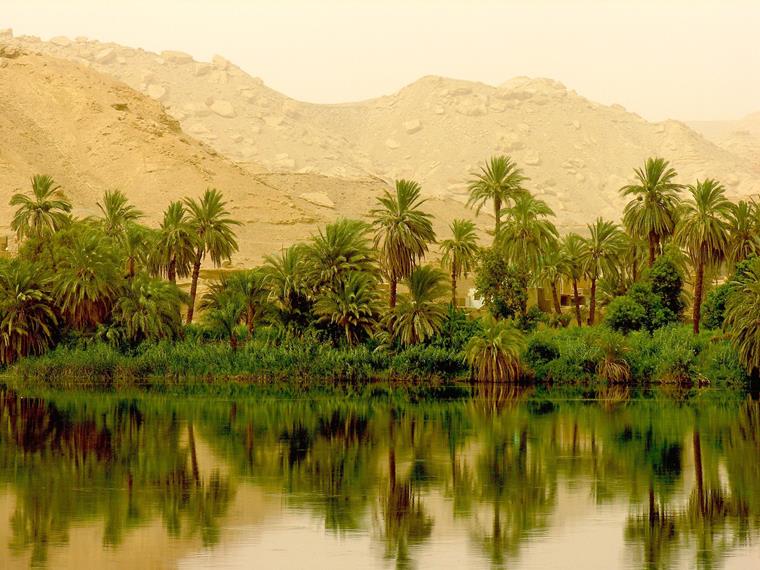
From the perspective of the construction industry, New Delta is a huge experiment, both in terms of agriculture and, above all, infrastructure. For example, in addition to the world's largest man-made river, the largest water treatment plant was developed and built. However, the New Delta project is characterized by immense technical and economic uncertainties.
Can something like this work? Will it ever be efficient? Will Egypt eventually exceed the limits of the Nile? Only time will tell. A prolonged economic crisis combined with water shortages and severe unrest in the country can be overcome with a mega-project like the New Delta.
In other words, it's a country pulling itself out of the mire through massive investment. Looking at the current export figures, this development may initially bring efficient recovery.
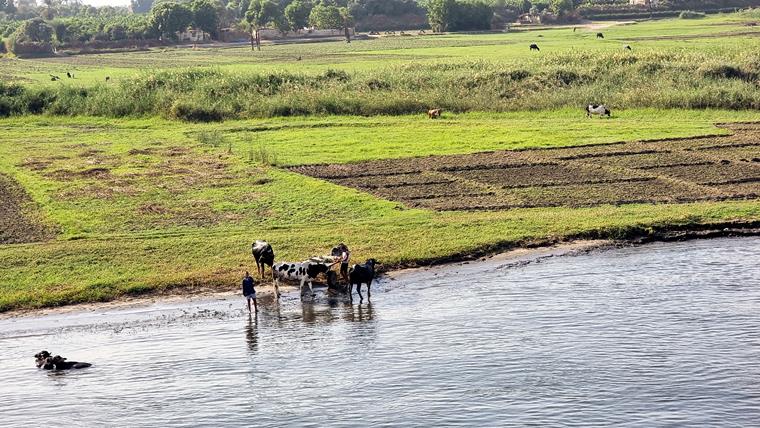
However, in the long term, New Delta will not solve Egypt's most pressing problems: social and financial inequality, food shortages, dependence on imports and exports, and social unrest. New Delta could even exacerbate the situation. The next few years will show how it all turns out in the end. Perhaps we will be surprised, and Egypt's plan will work. Who knows?