


In structural design, internal forces such as bending moments and shear forces are essential. These forces are typically found in load cases, load combinations, and result combinations. However, in addition to these, the design add-ons require information about the type of design to be carried out with these internal forces, such as whether the design check should focus on the Ultimate Limit State (ULS) or the Serviceability Limit State (SLS).
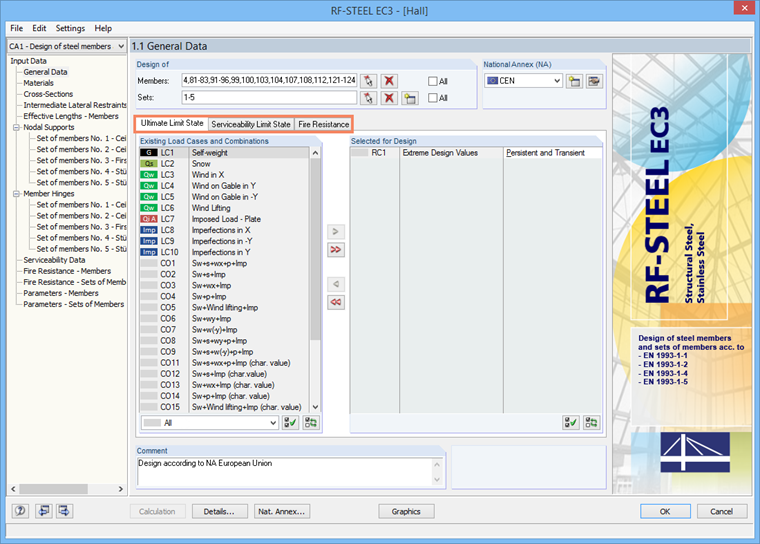
In RFEM 5, users had to manually assign relevant load situations for each design situation (for example, ULS, SLS, fire design), as shown in Image 1. With RFEM 6, the goal is to streamline and automate this process. Load cases are usually combined following the combination rules set by the relevant standards, depending on the design situation (for example, ULS, SLS). This ensures that the internal forces are automatically linked to whether they will be used for cross-section and stability checks or for deformation checks later in the process.
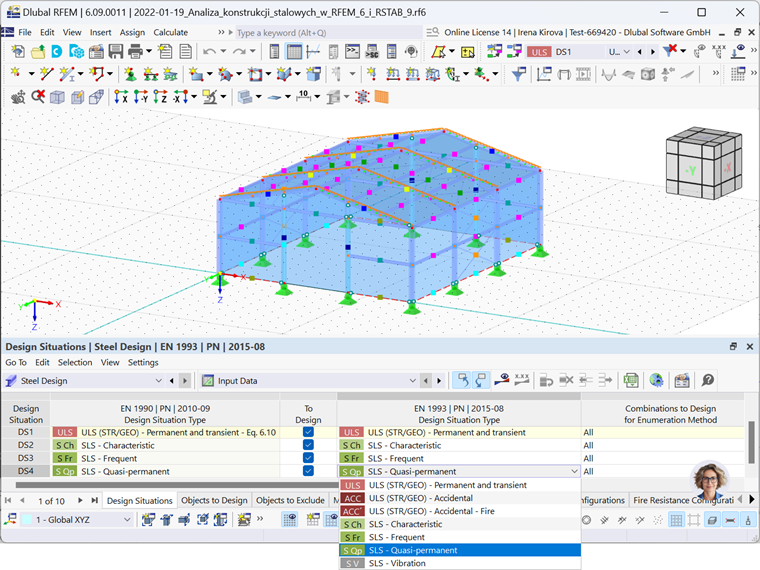
Hence, when activating a design add-on in RFEM 6, the internal forces are automatically assigned to the respective design checks (Image 2), eliminating the need for the manual assignments required in RFEM 5. Despite this automation, you can still specify whether the internal forces for a particular design situation should be used for ULS or SLS checks. This is controlled through the fourth column in the table.
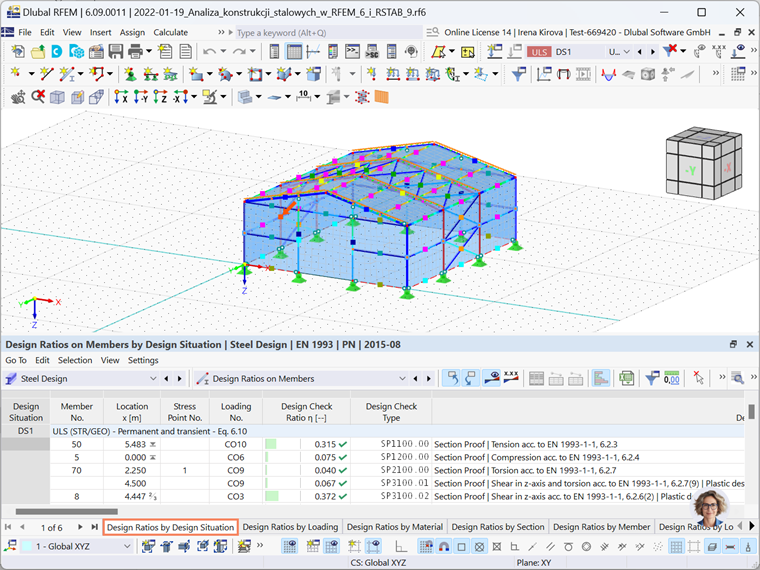
Another benefit of this system is the output of results based on the design situation. This feature groups together all checks for load cases that belong to the same design situation (Image 3).
Please note that load cases are not assigned to design situations because, in most cases, they do not provide design internal forces. Instead, load cases serve as the foundation for the combinations and are generally considered before the design process begins. Therefore, they do not fit within the framework of design situations and are excluded from the design checks.