


The Eiffel Tower is perhaps one of the most famous landmarks in the world. With seven million visitors annually, the Eiffel Tower is one of the most popular attractions on the planet. Every photo album with Paris as the destination contains a picture of it, whether analog or digital. The city of love, the tower of love.
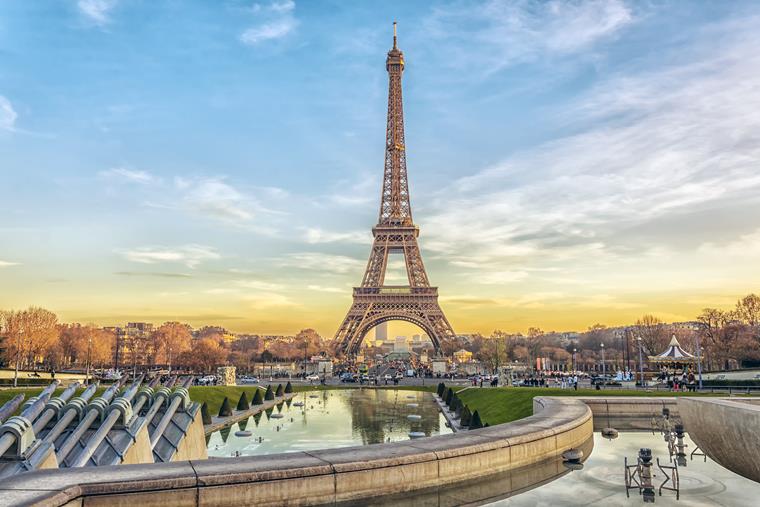
Why is this 10,000-ton steel colossus, unlike any other structure, synonymous with the most beautiful feeling in the world? Honestly, we can't explain it either. But we can explain how the Eiffel Tower has remained standing for 140 years. Interestingly, the Eiffel Tower was supposed to be demolished just a few years after its construction.
In this blog post, we'll explore the history of a monument that has been embraced by the city's residents like no other. Built into the sky, praised to the heavens, and almost demolished: Welcome to a journey through time to the end of the 19th century. We'll study a respected engineer whose desk was the beginning of the Eiffel Tower.
Construction of Eiffel Tower
Let's take a look at the construction of the Eiffel Tower. Who designed it? How was it built? What special features did its construction entail? First, let's examine the circumstances under which the Eiffel Tower was built. What were the conditions in France at the end of the 19th century?
Historical Background
France at the end of the 19th century
By the end of the 19th century, France had undergone significant changes in the previous decades. Nearly 100 years after the French Revolution, the republic was barely a century old. But things had changed not only politically. Industrialization was in full swing.
Unlike in England, however, industrialization in France began much later, in the middle of the nineteenth century. The great domestic political instability following the Revolution and the Napoleonic Wars also played a role.
Additionally, French coal, which was urgently needed for iron and steel production, was not of good quality. France simply lacked coal in every corner of the country. Consequently, steel buildings were expensive and uncommon at the end of the 19th century. So how did France end up with the Eiffel Tower, a monument made of steel that still stands today?
Eiffel Tower: Gateway to World's Fair
As its name suggests, the Eiffel Tower was designed by the renowned engineer Gustave Eiffel. He and his team were commissioned to build a 300-meter-high tower for the upcoming World's Fair. The tower was intended to serve as an entrance and remain standing for around 20 years.
This World's Fair was very special. It took place at a significant moment in history: exactly 100 years after the Great French Revolution. It was both an honor and a lot of pressure. However, Eiffel knew his tower would meet expectations. Even if public opinion saw things differently. Building something so tall out of steel? It was hardly possible. Besides, steel moves in the wind. The Eiffel Tower could never stand! Yet it did.
Who designed the Eiffel Tower?
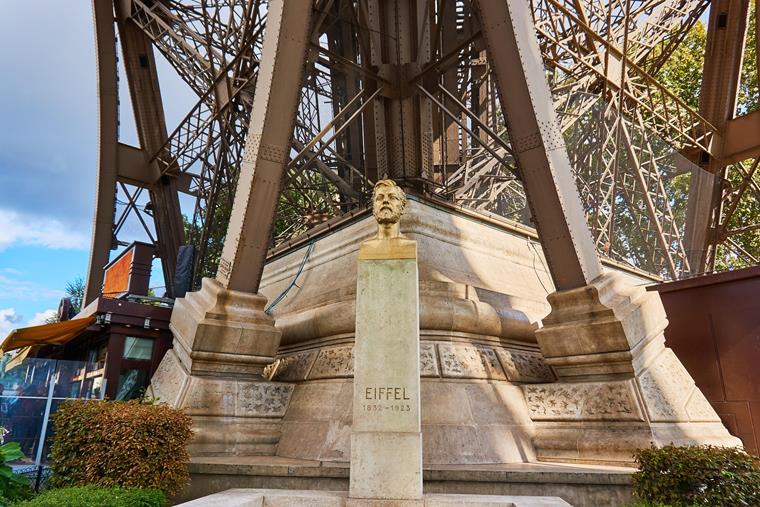
Gustave Eiffel coordinated and supervised the construction of the Eiffel Tower. It was to be his greatest structure yet, a feat that many engineers dream of achieving: a monument that would outlive them. A monument bearing his name. However, Eiffel never referred to the tower as such.
He had previously made a name for himself primarily through bridge construction. Instead of massive steel girders, he used delicate truss structures, which earned him a lot of skepticism. Would you like to learn more about him? You can find a blog post about the engineering legend and the creator of the Eiffel Tower here: Engineering Legend Gustave Eiffel
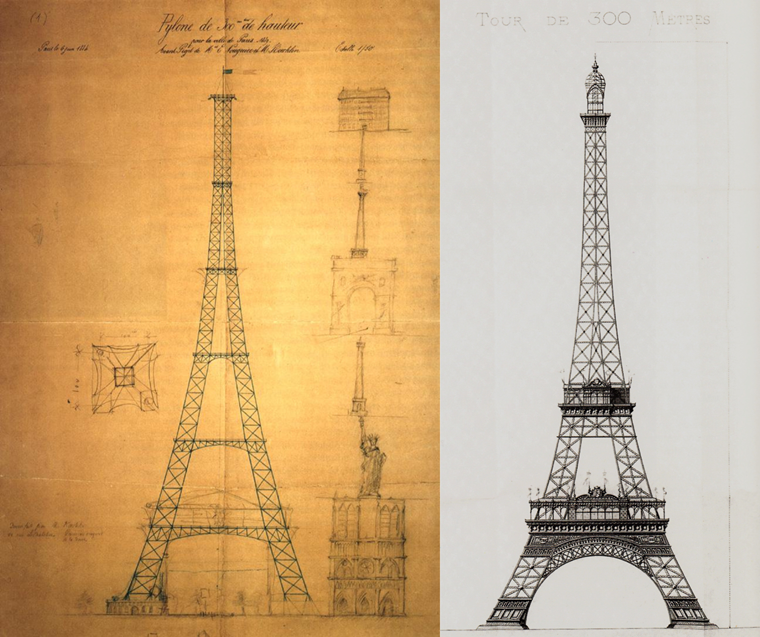
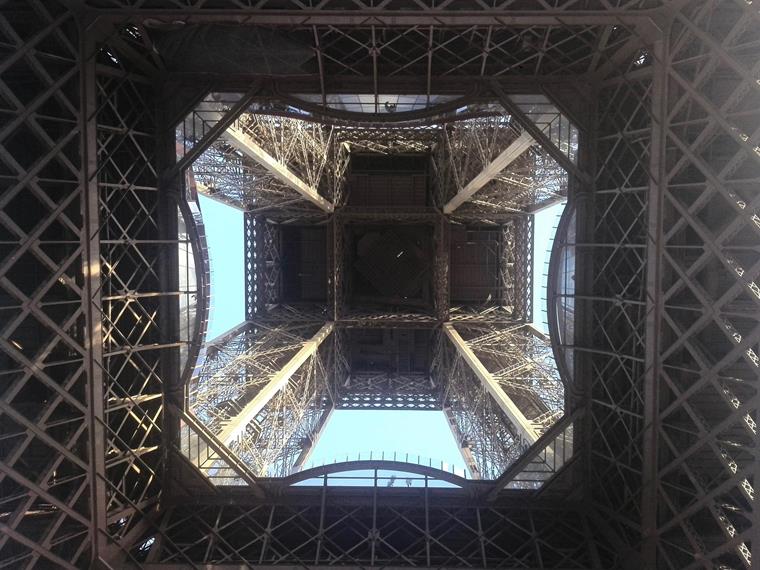
However, the Eiffel Tower design did not come from Eiffel himself. In June 1884, two engineers from Eiffel's team, Maurice Koechlin and Émile Nouguier, presented their boss with the first design for a 300-meter-high metal mast. The steel lattice structure was designed to stand on four feet and taper towards the top.
The struts offered as little air resistance as possible, so the Eiffel Tower could withstand strong winds. The columns' shape was designed to deflect side winds downward as much as possible. Koechlin drew the first sketch on June 6, 1884, while Nouguier focused primarily on the assembly process for the Eiffel Tower.
Technically, the two engineers' design was flawless. However, a gateway to the World's Fair required more than that. Eiffel was dissatisfied with the design's aesthetics. Compared to the other artistic structures, the Eiffel Tower resembled an oversized giant utility pole more than a monument to architecture.
In the spring of 1886, Eiffel took the engineers' design and passed it on to architect Stephen Sauvestre who added the now-famous arch and first floor to the Eiffel Tower. This addition was unnecessary for the supporting structure, but it looked good. That was the point. In addition, brick bases were added, and the layout of the individual floors was changed. A few more decorations and a modified top, and the final design was ready. As we can see, the Eiffel Tower's namesake did not have much to do with its design.
The competition to design a monumental tower for the World's Fair also went differently than you might think. Although Eiffel's final design won, the decision had already been made in advance.
The French engineer used his connections before the competition began and signed a contract. The other 100 or so submissions were accepted merely for form's sake, and Eiffel was immediately awarded the contract to build the tower. This decision caused great discontent and further fueled the general discussion about the tower.
Growing Eiffel Tower
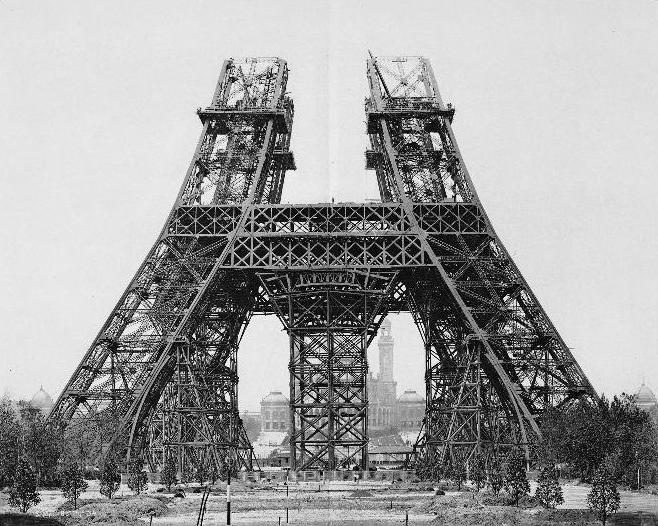
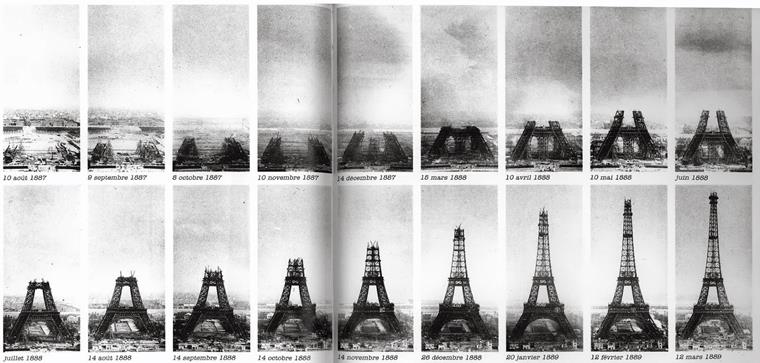
Construction of the Eiffel Tower took only two years. For a structure of this size, that was an extremely tight schedule for the 19th century. After all, no one had ever built a tower this large, let alone one made of iron.
Facts and Figures About Construction of Eiffel Tower
Fifty engineers, 100 ironworkers, and 121 construction workers were involved in the construction of the Eiffel Tower. The Eiffel Tower itself consists of 18,038 individual parts, all of which are made of wrought iron. Three thousand, three hundred tons of iron and two and a half million rivets were used.
Even at the end of the 19th century, constructing monumental structures resulted in many deaths. Therefore, concerns for the safety of everyone involved were justified. After all, a tower this tall had never been built before, and it would soon become the tallest structure in the world. Thanks to Eiffel's meticulous design, extensive safety measures on the construction site, and his talent for motivating his workers, only one tragic accident occurred during construction, resulting in one fatality.
Criticism of Eiffel Tower
Many people criticized the Eiffel Tower at the time. Considering how popular and celebrated the monument is today, it's hard to imagine. The criticism began with the first designs. A gate as the entrance to the World's Fair? Fine and dandy. But made of metal? Everyone knew that metal bends into curious shapes in the wind. Eiffel himself was well aware of this, having built numerous bridges out of structural steel.
There was considerable opposition not only from his colleagues but also from artists. They condemned the Eiffel Tower as an oversized steel monstrosity that would disfigure Paris's city center. Calls for the structure to be demolished were already being heard before construction began. However, Eiffel did not allow himself to be deterred. He was certain that his structure would ultimately win people over. And he was proved right.
Foundation of Eiffel Tower
Excavation work began on January 28, 1887, marking the start of construction. A total of 30,973 m³ of earth was excavated. However, there was one particular challenge. The foundations had to extend below the level of the riverbed of the Seine. In order to prevent the Eiffel Tower from sinking or floating away, a solution had to be found.
Eiffel had, of course, considered this in advance. He used a technique developed by mining engineer Jules Triger. This method involves pumping compressed air into a watertight metal casing. This allowed the two pillar foundations facing the Seine to be laid below the water level.
Iron for Eiffel Tower
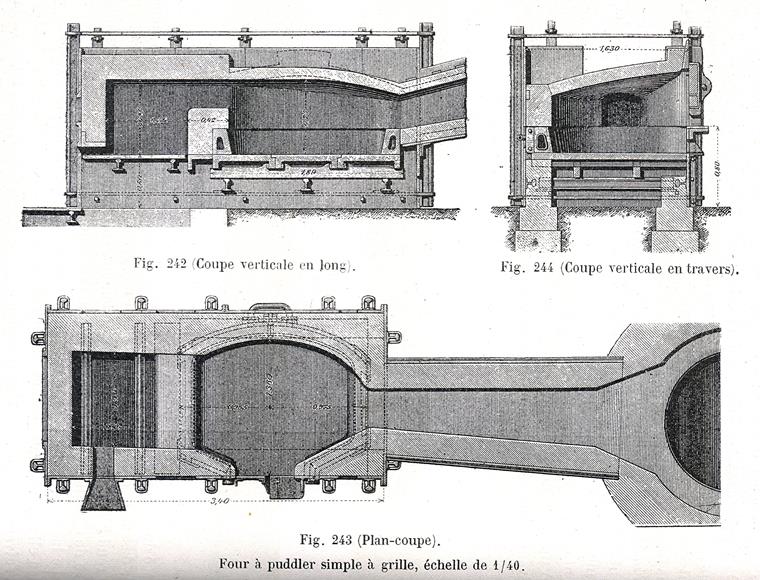
The wrought iron used to build the Eiffel Tower was produced using the puddling process. In this process, pig iron is converted into wrought iron in a special furnace. During this conversion, most of the carbon in the pig iron escapes. This results in high durability, ensuring that the Eiffel Tower is still standing today.
Additionally, the iron compound was not welded, but only riveted. This allowed Eiffel to work according to the modular principle. He produced the individual parts in his own factory. This meant that they could be assembled directly on site in Paris.
Even the holes for the rivets were prepared in advance. Eiffel was so consistent that defective parts were sent directly back to his company headquarters for correction. This approach was a real innovation even back then.
Eiffel Convincing City of Eiffel Tower
Eiffel faced criticism throughout the entire construction process of the Eiffel Tower. Once the first platform was finished, Eiffel considered how to convince the remaining skeptics of his monument. A restaurant had already been planned for this platform, so Eiffel set up long tables in the middle of the construction site.
Then, he invited numerous influential people. Most importantly, he invited the journalists who had been all too eager to express their negative opinions about the Eiffel Tower. While enjoying excellent food and the view of the city below, these people were won over — and Eiffel's plan worked. The steel structure gained many new fans, and the critical voices fell silent. People looked forward to the completion of the Eiffel Tower.
Eiffel Tower at World's Fair 1889
Though there were minor setbacks from time to time, the Eiffel Tower was completed on time thanks to Eiffel's design and coordination. On the opening day of the World's Fair to mark the 100th anniversary of the French Revolution, a fire was to be lit in the tower's lantern.

Eiffel naturally insisted on doing this himself. There was only one problem: the elevators, which had been designed by one of his fellow students, did not yet work. Eiffel did not give up, though, and ran up all 1,600 steps to the top to light the beacon. Just in time!
The Eiffel Tower itself was an absolute success. Although Eiffel had only received about 20% of the construction costs as a subsidy from the city, the tower quickly paid for itself thanks to the rush of visitors. Over the next few years, the Eiffel Tower made its creator a rich man.
When Eiffel Tower Lost Its Luster
The rush to the Eiffel Tower soon subsided. Almost everyone had already visited the observation decks. Slowly, enthusiasm waned. The question arose: What should we do with the Eiffel Tower? Should we rebuild it? Tear it down? Keep it?
The press got involved again, and soon, broad headlines appeared in the newspapers. The Eiffel Tower was deemed useless. The iron monster should be demolished well before its planned 20-year lifespan.

The Eiffel Tower was to be completely rebuilt for the 1900 World's Fair. After all, public aesthetic sensibilities had changed. Rather than embracing the Eiffel Tower as a symbol of industrialization, society took a step backwards.
Once again, ostentatious designs and opulence were in vogue. The fair was therefore more of a celebration of the 19th century than a signal that the 20th century had begun. There were many proposals for redesigning the Eiffel Tower. The following drawings, among others, were submitted to the city:
- Adding balconies, loops, and flourishes
- Demolishing it down to the first platform and placing a globe on top of it
- Using the Eiffel Tower as a support structure for an artificial mountain covered in greenery
However, Eiffel himself opposed this. He fought for his tower. Ultimately, the Eiffel Tower was given its now-characteristic lighting. The hope was that this would conceal its industrial appearance somewhat.
Eiffel Tower at Turn of Century
Even after the World's Fair, however, there was no respite for the Eiffel Tower. Tourism no longer generated enough money or prestige. What now? Since it was the tallest structure in the world, it made sense to take advantage of its height. Ultimately, Eiffel not only set up an office there, but also conducted experiments.
He did everything he could to show that the Eiffel Tower was useful, from setting up a weather station and radio connections to studying aerodynamics and the healing properties of the air at such a height. It was too useful to be torn down.
.jpg?mw=760&hash=fbe358443488b2516a583f332d07e5d786f8fe34)
Eiffel found the solution in the military. A broadcasting station was built at the top of the tower. This supported the French army and saved the Eiffel Tower, which would become a landmark of the capital and perhaps the entire country.
Later, France's first radio station was set up on the tower, followed by the first television station. Even today, the tower still serves as a radio and television station with its antenna. In 1991, the banks of the Seine, including the Eiffel Tower, were declared a UNESCO World Heritage Site. Since then, it has been clear that the Eiffel Tower is here to stay! And probably forever.
Curious, Interesting, and Trivial Facts and About Eiffel Tower
Finally, we would like to share some interesting facts about the Eiffel Tower with you. You might even win a lot of money on famous TV shows with them in the future! Have fun reading, and be amazed!
- Flexibility of the Eiffel Tower
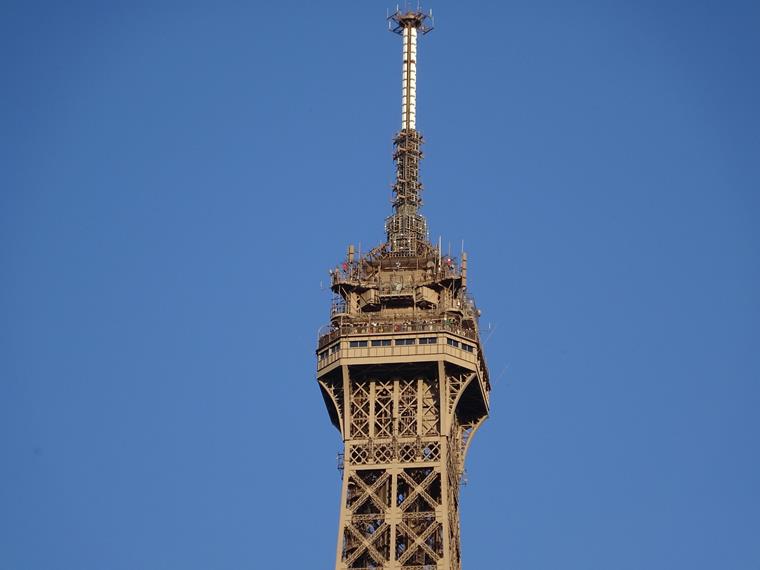
Due to expansion and contraction, the Eiffel Tower can vary in height by up to 18 cm in hot or cold weather. Additionally, the tip only swings 12 cm in strong winds.
- France's landmark
It is the most visited paid monument in the world. It is also probably one of the most expensive walk-in structures, considering the admission prices.
- Eiffel Tower lighting copyright
The lighting of the Eiffel Tower is copyright protected until 2091. Commercially used images of the Eiffel Tower at night must be licensed. If you want to take a photo for personal use, it is recommended that you include the following on social media: "Copyright Tour Eiffel – Illuminations Pierre Bideau." However, this is not mandatory.
- Elevator technology at the Eiffel Tower
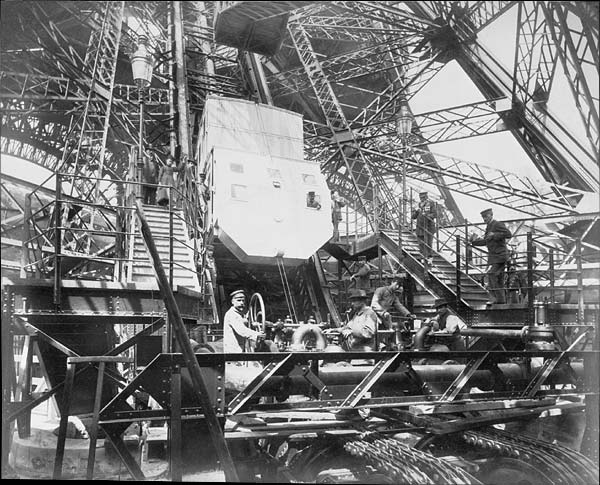
The nine elevators at the Eiffel Tower can carry up to 1,140 people per hour. Some travel vertically, as is commonly known. The lower ones, however, travel diagonally inside the Eiffel Tower's support pillars.
- Daring stunts on the Eiffel Tower
There have been many record attempts and daring stunts on the Eiffel Tower. One of the most famous is the high-wire act of 1989. High-wire artist Philippe Petit crossed the Seine on a 800-meter steel cable stretched from the Palais de Chaillot to the second floor of the Eiffel Tower. The entire event was broadcast live on television. Petit fought with the authorities for 15 years to get permission for his project.
- Replicas and duplicates
There are around 30 replicas of the Eiffel Tower worldwide. Examples include the Tokyo Tower in Japan and the 165-meter-high Eiffel Tower replica at the Paris Las Vegas hotel complex in Las Vegas.
- The Eiffel Tower was sold—almost twice
In 1925, Victor Lustig pretended to be an official and sold the Eiffel Tower. Was he allowed to do that? No, but how did he manage it? He convinced the unsuspecting iron merchant André Poisson that the Eiffel Tower was going to be demolished. He offered Poisson the entire tower as scrap metal. The scam was eventually uncovered, but Lustig escaped with around 1 million francs.
By the time Poisson realized what had happened, it was too late. He was so ashamed that he didn't report it to the police. Surprised not to see anything about the million-franc fraud in the newspapers, Lustig tried the same thing again. Just one month later, he made his next attempt. This time, however, his business partner became suspicious and reported him to the police. Lustig fled back to the U.S.
- Elephant on the Eiffel Tower
It sounds made up, but it's true—there was once an elephant on the Eiffel Tower. On June 4, 1948, a female elephant escaped from the Bouglione Circus and climbed the 347 steps to the first platform. If an elephant can do it, so can you!
Conclusion on Eiffel Tower
The Eiffel Tower in Paris is undoubtedly one of the world's most famous structures. Even today, millions of people visit the iron tower each year. Originally a temporary project for the 1889 World's Fair, it has become a permanent landmark of the City of Love.
The tower is a complete success, not only as a tourist attraction, but also as a research tool. It has become indispensable for research in a wide variety of fields. If you're visiting Paris, the Eiffel Tower is probably already on your itinerary. So enjoy the view!